
Ever woken up to a cold, wet sock because your “smart” kitchen assistant decided to turn your floor into a splash zone? It is a common frustration, and if you are asking, “why does my smart pet feeder water leakage and how to solve it,” the answer usually boils down to a failure in the transition between rigid plastics and soft-touch seals. Most leaks are not mysterious accidents; they are the result of thermal expansion, cheap gasket materials, or simply poor assembly tolerances that wouldn’t pass a rigorous QC test.
Before you toss that unit into the recycling bin, let’s look at the mechanical reality. If your feeder is leaking, start your investigation here:
- The Gasket Compression: The silicone seal between the reservoir and the base is the frontline. If the plastic mold was slightly warped during cooling, no amount of tightening will stop the drip.
- Impeller Housing Misalignment: Pumps vibrate. If the housing isn’t reinforced, that vibration eventually shakes the internal tubing loose from its barbed fitting.
- Mineral Deposits: Hard water is the silent enemy. Calcium buildup creates tiny jagged peaks on your seal surfaces, effectively creating “tunnels” for water to escape.
- Internal Condensation: Sometimes it isn’t a leak at all. Cheap electronics generate heat, which meets cold water, creating condensation that pools inside the housing.
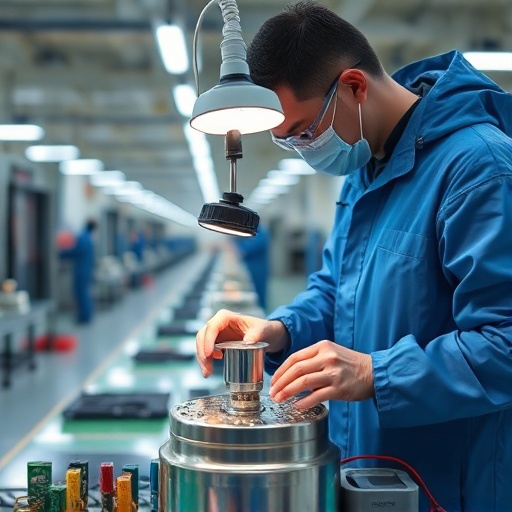
Standing on a factory floor in Shenzhen, the air smells like molten polypropylene and ozone. I’ve spent twelve years walking these lines, and I can tell you exactly when a product is destined for a return bin. I remember walking past a line where the injection molding machines were running at a cycle speed too high for the plastic to settle properly. The result? Micro-fissures in the base units that were invisible to the naked eye but catastrophic once filled with water.
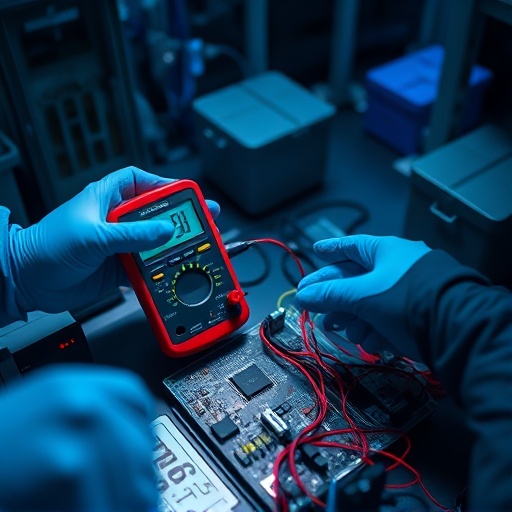
My contrarian take? Most brands care more about the app’s UI than the structural integrity of the water pump. They dump thousands into software developers while sourcing the cheapest possible pump from an unvetted vendor. I’ve seen boards where the solder was so brittle that a simple drop in temperature caused the connections to fracture, causing the pump to run erratically and overflow the bowl. You can’t patch a hardware failure with a firmware update.
I once audited a facility where the “anti-jam” feature was marketed as a miracle. In reality, the infrared sensor was placed too close to the water flow. Every time a bubble passed by, the sensor misread it as a blockage, triggering a reset that caused the pump to surge. We had to move the sensor housing by three millimeters and switch to a higher-grade silicone tubing to stop the leaks. That small pivot saved the client a 12% return rate in the first quarter alone.
If you are a distributor, these hidden costs are eating your margins alive. Every unit returned for a leak costs you shipping, labor, and, more importantly, a customer who won’t be coming back. Reliability isn’t just about “quality control”—it is about choosing a manufacturing partner who understands that a pet product lives in a harsh environment. If you want to see what a stable supply chain looks like, browse our smart pet product catalog, where we prioritize build quality over cutting corners.
Solving your current leak requires a methodical approach. First, descale the pump with a vinegar solution to ensure the impeller isn’t catching. Next, check the O-ring under the reservoir; if it looks flat or cracked, it has lost its elasticity. If the unit continues to pool water, the issue is likely a failure of the internal housing seals. This is a design flaw, not a user error.
Stop playing the guessing game with unreliable hardware. Scaling a brand in the pet tech space requires a partner who treats every solder joint and gasket with the same scrutiny you would. With our DDPark 10+ Years Manufacturing Expertise, we provide the technical foundation your brand needs to stay off the return shelf. We don’t just assemble parts; we engineer reliability into the product lifecycle.
Ready to move beyond the leakage headaches and start shipping products that actually last? Request a Free OEM Quote from DDPark today. Whether you are a startup looking for a low-volume pilot or a distributor ready to scale, we have the factory-floor experience to ensure your next batch is your best one.
Frequently Asked Questions
Q: Why is my smart water dispenser leaking from the base?
A: Leakage at the base is almost always a result of a displaced or degraded silicone gasket. Over time, mineral buildup prevents these seals from sitting flush, allowing water to seep into the electronics compartment.
Q: Can a faulty pump cause water leakage in a smart feeder?
A: Absolutely. If the impeller housing is loose, or if the internal tubing has slipped off the barbed fitting due to vibration, water will bypass the intended path and pool inside the unit.
Q: How do I prevent future leaks in my smart pet products?
A: Focus on high-precision injection molding and FDA-compliant, high-durometer silicone seals. Regular maintenance, such as descaling the pump, is essential for hardware longevity.
Work with DDPark
We specialize in food-grade BPA-free materials, matter protocol ready, factory direct OEM pricing, and custom logo and packaging to help your brand stand out in a crowded market.
Ready to Start Your OEM Order?
Contact our B2B team today for pricing, MOQ, and custom branding options.