How to Import Pet Water Fountain for Veterinary Clinic: Navigating the 2026 Supply Chain
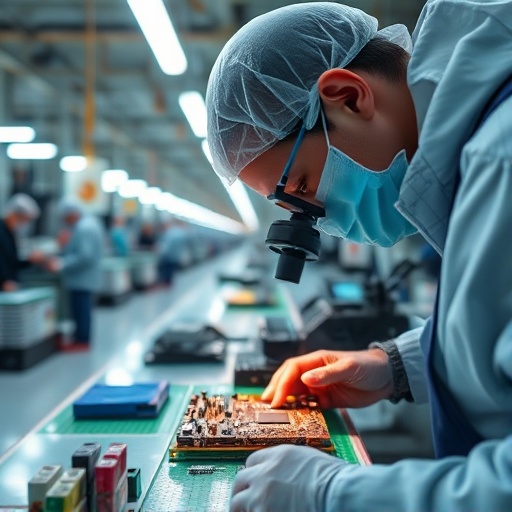
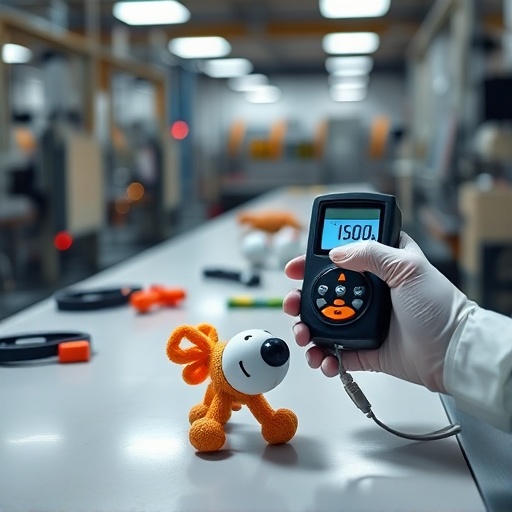
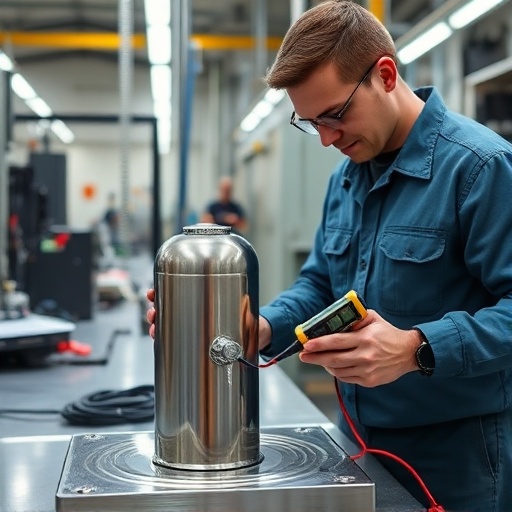
The humid air in the assembly plant sticks to your skin the moment you walk onto the factory floor. It smells like ozone and fresh injection-molded plastic. I was standing next to a line of technicians in Guangdong, watching them stress-test a batch of smart water fountains destined for a veterinary chain in the Midwest. One technician picked up a unit, shook it near his ear to listen for loose solder, and then dropped it onto a rubber mat from three feet—a standard, brutal check for shipping durability. If you are researching how to import pet water fountain for veterinary clinic environments, this, not the glossy catalog, is the reality of your supply chain.
Veterinary settings are not living rooms. They are high-stress, high-humidity environments where equipment failure is not just an inconvenience—it is a liability. The market is currently flooded with “smart” devices that look sleek but hide cheap, porous plastics and unreliable WiFi modules. If you are a clinic owner or a distributor, your priority must be mechanical integrity over app aesthetics.
### The Anatomy of a Clinical Failure
Skepticism is your best tool when vetting a manufacturer. Most importers fall for the “demo unit” trap. A factory will hand-pick a perfect sample, but the mass-produced batch is often a different story. I have seen thousands of units where the impeller pump—the heart of the device—was built with low-grade copper winding. These pumps burn out within weeks of continuous, 24/7 clinical use.
My contrarian take? Stop worrying about whether the fountain has an integrated camera or a social media feed. In a clinic, you need a device that prevents “false-positive” sensor triggers and maintains a constant flow rate. If the firmware isn’t robust, the device will lose its connection every time a microwave or diagnostic machine powers up nearby. Insist on dual-core ESP32 chips with proper shielding. If the supplier looks confused when you mention EMI (Electromagnetic Interference) shielding, leave the table immediately.
### On the Production Line: A Sensory Check
When you visit a factory, use your senses. Does the plant floor look organized? Is there a dedicated QC station with automated testing rigs? I once walked through a facility that claimed to be “high-tech” but found the assembly workers using soldering irons that were clearly overheating the PCB boards. That heat damage creates micro-fractures that won’t show up for six months, right when your warranty period is expiring.
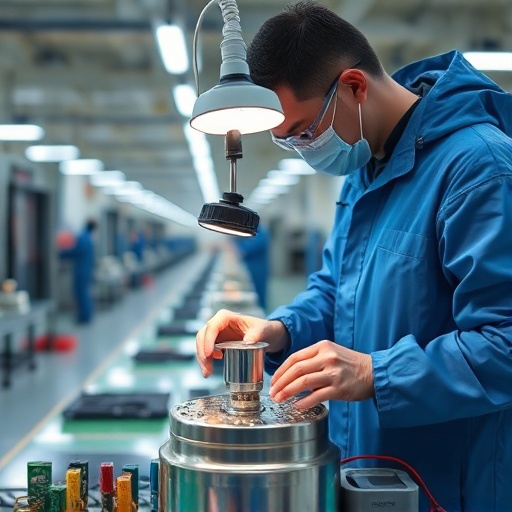
A reliable partner like DDPark operates differently. We don’t just assemble components; we engineer for the environment. Our process involves thermal stress testing in climate-controlled chambers to ensure that the pump motor doesn’t seize in a humid kennel ward. We track every batch through a rigorous inspection protocol, checking for gear alignment and seal integrity before a single box is taped shut.
### Essential Import Checklist
Navigating the logistics of medical-adjacent pet tech requires a strict adherence to standards. Do not compromise on these non-negotiables:
* **Certification Rigor:** Demand valid CE, FCC, and RoHS certificates. Verify the laboratory report numbers yourself.
* **Material Integrity:** Ensure the plastic is BPA-free and medical-grade. Stainless steel is often safer for clinical sanitation protocols.
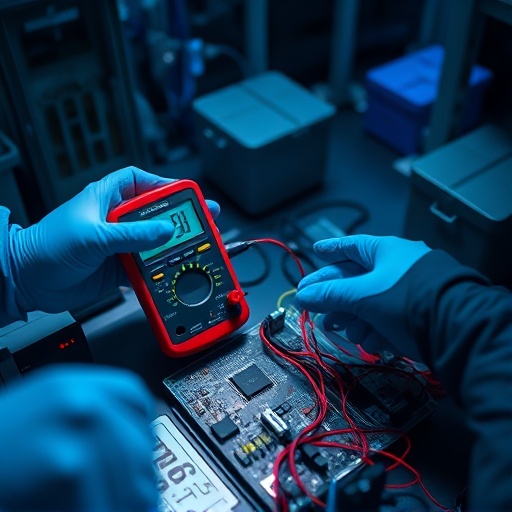
* **Connectivity Stress:** Request a sample and run it in a high-humidity, high-interference environment for at least 72 hours.
* **Firmware Architecture:** Ask specifically about power management. Does the device handle power surges common in clinical buildings?
* **Packaging Durability:** If you are shipping to Amazon or directly to clinics, the packaging must withstand the “drop test.”
* **Customization:** Can the factory handle branding, or are they just slapping a sticker on a generic white-label unit?
* **Support Threshold:** Look for a partner who offers flexible MOQ. You need to test small batches before committing to a full container.
### Why DDPark?
We bridge the gap between complex engineering and practical application. Located in the manufacturing heart of Guangdong, DDPark serves markets across the globe with a focus on high-reliability hardware. We know that for a veterinary clinic, a water fountain is a critical tool for patient hydration and recovery. Whether you need smart feeders or water dispensers, our production is built on a foundation of three generations of manufacturing expertise. Request a Free OEM Quote from DDPark to see the difference that precision engineering makes for your bottom line. Check out our DDPark 10+ Years Manufacturing Expertise to understand why clinics trust our hardware over mass-market imports.
Frequently Asked Questions
Q: What is the most common failure point in imported pet water fountains?
A: The impeller pump is the primary failure point. Low-quality copper windings lead to motor burnout under continuous use, common in clinical settings where units run 24/7.
Q: Can I customize the APP for my veterinary clinic brand?
A: Yes. DDPark offers full OEM/ODM services, including APP customization, custom logo placement, and branded packaging to align with your clinic’s professional identity.
Q: Do I need special certifications to sell these in the US?
A: Absolutely. Electronic devices must hold valid FCC and RoHS certifications. Without these, your inventory risks being seized by customs and poses a significant safety liability.
Work with DDPark
Experience the standard of [highlight: stable Tuya connectivity, low MOQ support, anti-jam infrared detection, CE FCC RoHS certified] hardware for your veterinary clinic.
Ready to Start Your OEM Order?
Contact our B2B team today for pricing, MOQ, and custom branding options.