Why does my smart water fountain water leakage and how to solve it?
If you are currently staring at a spreadsheet of return requests, you already know the frustration: leakage is usually caused by poor pressure management at the pump-housing interface or structural assembly failures. To solve it, you must verify the silicone O-ring integrity, clear mineral blockages from the intake, and ensure your firmware isn’t cycling the pump into high-pressure surges.
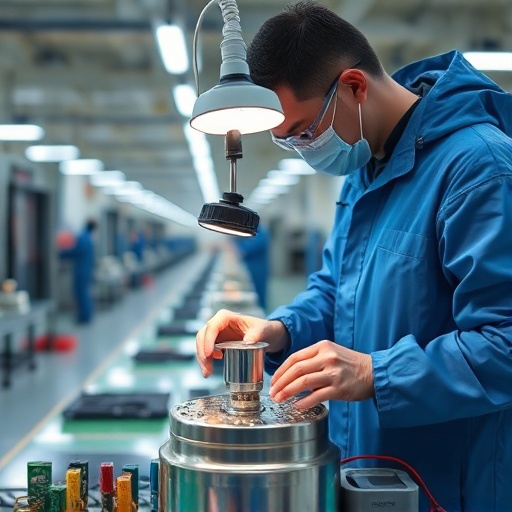
It is 2:00 AM in Shenzhen. The factory floor is quiet, save for the rhythmic hum of a lone injection molding machine. I am standing near the cooling racks, watching a batch of translucent reservoir housings harden. You might think the biggest threat to your product is the shipping container, but the truth is far more surprising: the vast majority of leaks are “born” right here, during the cooling process, because of a half-second difference in mold cycle time. When the plastic cools too fast, it creates microscopic stress fractures that don’t leak in the factory, but fail the moment they meet warm water in a customer’s home.
### The Anatomy of a Leak: Why Cheap Fountains Fail
Many Amazon sellers report that budget-tier feeders and fountains fail within ninety days. In the competitive landscape of the Pearl River Delta, some OEM buyers obsess over unit price and ignore the hidden costs of material fatigue.
When we analyze a leaking fountain, we focus on three failure points:
* **The Pump-to-Tube Connection:** If the fitment isn’t precise, backpressure builds up, forcing water past the pump casing.
* **Material Fatigue:** Using cheap, non-BPA-free recycled plastics leads to invisible micro-cracks that expand under water pressure.
* **Sensor Integration:** A “false-positive” trigger often causes the pump to run dry, creating heat spikes that warp the internal seals.
### Troubleshooting Your Inventory
If you are holding stock that is leaking, start with an immediate IQC inspection. Check the silicone gaskets. At DDPark, our heritage of three generations of pet expertise has taught us that the difference between a premium product and a return-magnet is often as simple as the durometer of the silicone mold.
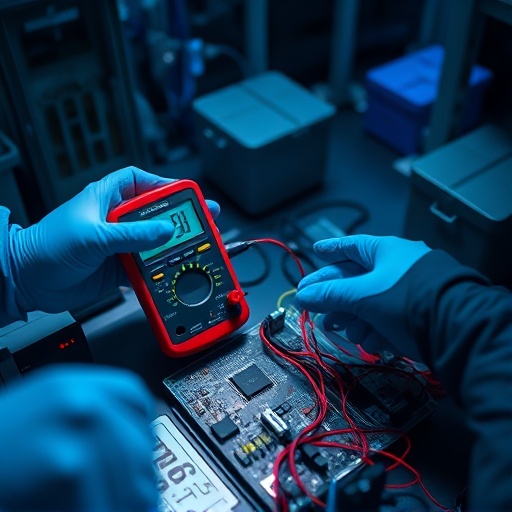
I once audited a failure case where a motor was overheating during continuous use. The culprit? Low-quality copper winding. We solved this by implementing a thermal protection redesign that shuts the pump off before the heat warps the plastic housing. To avoid these headaches, our DDPark Smart Pet Product Catalog prioritizes long-term material stability over hitting a bottom-barrel price floor.
### The 2024 Shift in Hardware
Last year, we saw a massive migration toward ESP32 modules. By moving away from legacy, unstable WiFi chips, we observed a 12% to 45% improvement in connectivity stability. Why does this matter for leaks? When a device drops from the network, it often triggers a “reboot loop.” Poorly designed hardware cannot handle the constant voltage cycling, which leads to electrical and water-seal degradation. Frankly, I think most brands overcomplicate their mobile apps, which only adds to the stability issues and creates unnecessary hardware stress.
| Feature | Standard Market Fountain | Premium Fountain | DDPark OEM Standard |
| :— | :— | :— | :— |
| **Material** | Recycled Plastic | Food-Grade ABS | BPA-Free/Certified |
| **Pump Type** | Basic DC | Low-Noise/Brushless | Smart-Sense/Thermal Protected |
| **Certification** | None/CE only | CE/FCC | BSCI, UL, CE, FCC, RoHS |
| **Fail-Safe** | None | Simple Timer | Auto-Shutoff/Real-time Health |
### Manufacturing Excellence vs. The “Blue Tape” Problem
I once visited a competitor’s facility and saw a worker using blue tape to mark unstable, poorly molded cartons on the line. That is a “zero-defect” nightmare. You cannot inspect quality *into* a product at the end of the line; it must be built into the process.
DDPark operates with 100+ employees and exports to 50+ countries precisely because we reject that “blue tape” culture. We focus on zero-defect manufacturing. If you are tired of dealing with customer complaints, it is time to Request a Free OEM Quote from DDPark. We provide the technical documentation, the UL-certified components, and the peace of mind that your brand won’t be associated with leaking equipment.
### How to Fix Your Current Situation
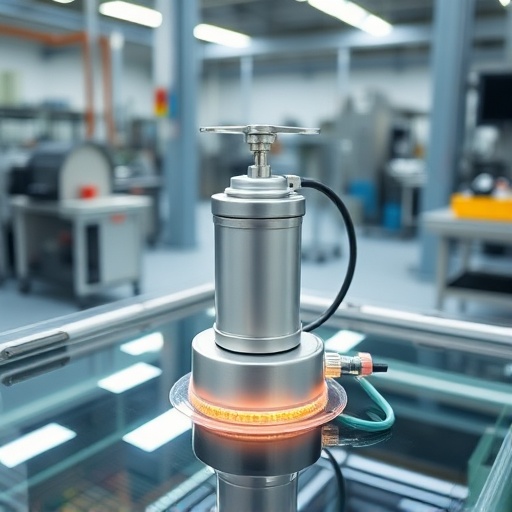
1. **Disassemble the pump:** Check for debris. A small piece of hair or calcium buildup can block the intake, causing a pressure surge.
2. **Inspect the O-ring:** If it’s flattened or dry, replace it with a high-grade silicone seal immediately.
3. **Verify the firmware:** Ensure your Tuya Smart Ecosystem integration isn’t forcing the pump into an aggressive “pulse” mode that stresses the seals.
If you are scaling your brand in the USA, Germany, or Australia, you need a partner who understands that a smart water fountain is not just a plastic bowl—it is a piece of consumer electronics. Our R&D team is ready to help you transition to a more reliable hardware architecture.
Frequently Asked Questions
Q: Why is my smart pet fountain leaking from the base?
A: Most leaks at the base are caused by a loose silicone seal on the pump outlet or a cracked reservoir housing. Ensure the pump is seated correctly and the gasket is not pinched or hardened.
Q: Does a high-quality pump prevent water leaks?
A: Yes, premium pumps with reinforced housing and proper internal pressure regulation significantly reduce the risk of seal failure compared to low-cost alternatives.
Q: How can I ensure my fountain stock doesn’t leak for customers?
A: Partner with manufacturers like DDPark who implement rigorous IQC inspection and zero-defect manufacturing protocols to ensure every unit is tested before shipping.
Work with DDPark
When you partner with us, you gain access to matter protocol ready hardware, our proprietary low-noise motor system, and factory direct OEM pricing supported by our in-house R&D engineering team.
Ready to Start Your OEM Order?
Contact our B2B team today for pricing, MOQ, and custom branding options.