To effectively reduce motor noise in an automatic litter box, stop hunting for magic acoustic foam; the problem is almost always mechanical resonance caused by poor gearbox alignment and low-grade motor housing. If your unit sounds like a coffee grinder, you aren’t dealing with a “noisy motor”—you are dealing with a manufacturing tolerance failure that no amount of sound-dampening material can fix. Stability is the only real solution.
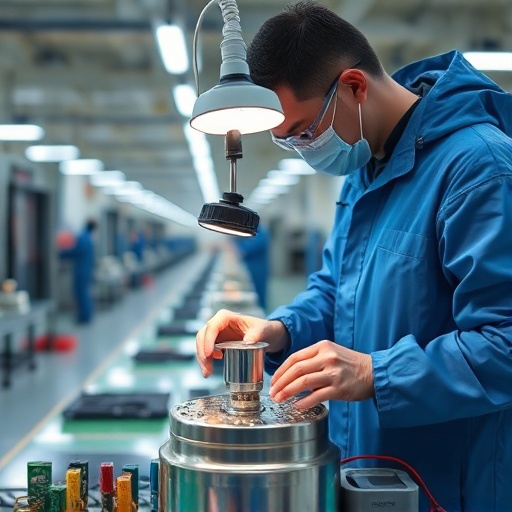
I’ve walked enough assembly lines in the Pearl River Delta to know when a factory is cutting corners. You can hear it before you see it. When a production line is churning out units with cheap, stamped-metal gearboxes, the high-pitched whine is unmistakable. It’s the sound of a product destined for a high return rate. Most buyers think the noise is just a byproduct of movement, but that is a dangerous misconception. Noise is a structural diagnostic tool; it tells you exactly where the friction is eating your motor alive.
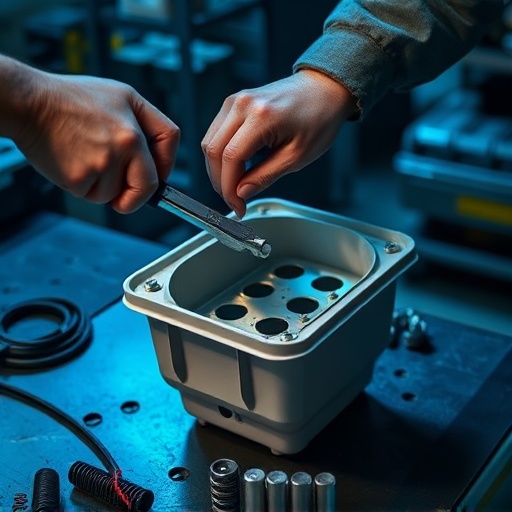
Standing on the floor in Dongguan last month, I watched a line manager pull a unit off the belt because of a slight tremor in the casing during the rotation cycle. He didn’t reach for a patch or a software fix. He reached for a caliper. The issue wasn’t the code; it was a microscopic misalignment in the motor mount that forced the gear teeth to grind rather than mesh. That’s the reality of pet tech. If the hardware isn’t seated with precision, the software is just lipstick on a pig.
Industry players often lean on “quiet-marketing” to hide the fact that they are sourcing bargain-bin motors. You’ll see them touting noise-canceling padding, which is essentially a shroud for poor engineering. If you need to pad the shell to make the unit quiet, you have already lost the battle. The fix starts at the winding. We’ve moved away from standard copper windings because they overheat under the load of heavy, clumping litter, leading to that characteristic “growl” as the motor struggles against resistance. High-efficiency brushless motors, paired with refined power management, are the only way to keep decibel levels under 40dB over the long haul.
My personal take? Most brands are terrified of the cost of high-quality gear housing. They want the aesthetic of a premium product at the price point of a plastic toy. You cannot have both. When we implement thermal protection redesigns, we aren’t just protecting the motor; we are eliminating the vibration caused by heat-induced component expansion. A cool motor is a quiet motor. It’s that simple, yet factories continue to sacrifice longevity for a few cents saved on internal housing materials.
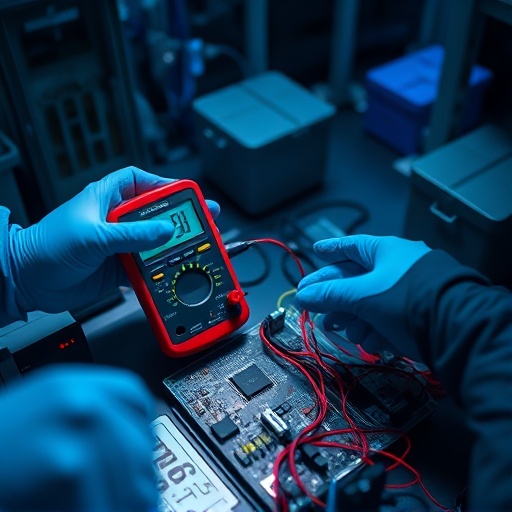
Don’t fall for the “firmware will fix it” trap. While a dual-core ESP32 can smooth out jerky acceleration curves, it cannot fix a gear ratio that was designed by someone who has never seen a cat use a litter box. I have seen countless units ship with “smart” features that mask fundamental mechanical flaws. If your manufacturer can’t show you the aging test reports—specifically the ones showing motor performance after 5,000 cycles—walk away. You are buying a ticking time bomb of plastic fatigue.
| Feature | Standard Unit | Premium Unit | DDPark OEM |
|---|---|---|---|
| Motor Type | Low-grade Copper | Standard Copper | High-Efficiency Brushless |
| Noise Level | 55-60 dB | 45-50 dB | <40 dB |
| PCB Quality | Generic Tuya | Standard ESP32 | Customized Dual-Core |
Quality control isn’t just a checklist; it’s a culture. During a recent run, I watched a worker reject an entire batch because the blue tape marking the gear alignment was off by half a millimeter. It seemed excessive to the junior staff, but that attention to detail is why our units don’t vibrate themselves into oblivion after six months. If you are serious about your brand, you need to demand golden sample approval that includes stress testing, not just a quick power-on test.
Whether you are looking to Explore DDPark Smart Pet Product Catalog or need a partner for your brand, focus on the fundamentals: reliable power, solid gear housing, and rigorous aging tests. If you are ready to scale, Request a Free OEM Quote from DDPark to see how our DDPark 10+ Years Manufacturing Expertise can improve your product line.
Frequently Asked Questions
Q: Can motor noise be fixed with software updates?
A: Sometimes. Firmware rollbacks or refined motor control algorithms can smooth out jerky movements that cause vibration, but mechanical noise usually requires hardware intervention.
Q: Why do some litter boxes get louder over time?
A: Cheap gearboxes and poor thermal management lead to motor wear. Overheating copper windings often cause increased friction and vibration, turning quiet units into noisy ones.
Work with DDPark
Our units feature battery backup protection, anti-jam infrared detection, food-grade BPA-free materials, and rigorous aging test before shipment to ensure your brand stands out in the USA, Germany, and beyond.
Ready to Start Your OEM Order?
Contact our B2B team today for pricing, MOQ, and custom branding options.