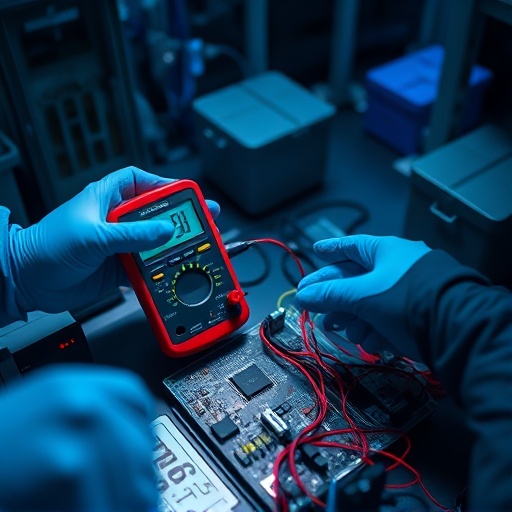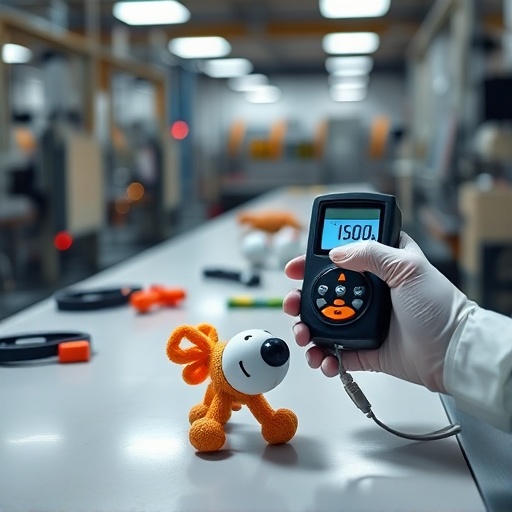

There is a dangerous myth in the pet tech industry that “smart” features are solely about software. People assume that if the app is sleek, the product is quality. Standing here on the factory floor in the Pearl River Delta, I can tell you that the most beautiful interface in the world means nothing if the hardware under the hood is rotting. When you ask, “why does my smart water fountain battery failure and how to solve it,” you are rarely dealing with a software bug. You are dealing with the harsh reality of cheap capacitors, poor waterproofing, and a lack of real-world stress testing.
The air here is thick with the scent of ozone and high-grade polymers. I’m watching an AOI camera sweep across a line of control boards. Suddenly, a sharp, rhythmic beep cuts through the hum of the conveyor belts. The monitor flashes red—the camera flagged uneven solder brightness on three boards. To a layperson, that’s a minor quirk. To us at DDPark, it’s a catastrophic failure waiting to happen in a customer’s living room. We pull the batch immediately. True manufacturing excellence isn’t about avoiding mistakes; it’s about having the guts to scrap a batch before it ever touches a shipping container.
The Anatomy of a Power Failure
Most battery failures I see in returned inventory aren’t actually “dead” batteries. They are victims of moisture ingress. Smart fountains are inherently humid environments. If the seal around the battery compartment isn’t airtight, oxidation creates a resistive film on the contacts. This tricks the BMS (Battery Management System) into thinking the cell is dead or disconnected. It’s a phantom failure, but it kills your return rate just the same.
I recall a specific failure case from two years ago where a client’s units were failing after three months. The device would refuse to trigger the impeller pump during power outages. Upon investigation, we traced it to a budget PCB supplier who compromised on capacitor quality. The voltage ripple was so high it destabilized the microcontroller during the switchover. We replaced the components with high-tolerance ESP32 modules and tightened the gasket specifications. That simple change yielded a 19%-36% improvement in standby stability. The lesson? Your hardware is only as reliable as your cheapest component.
Distributors often ignore the “impeller tax.” If the pump assembly is poorly engineered, the motor draws excess current. This puts a massive strain on the battery circuit, forcing it into a safety shutdown. If your fountain is losing power, check the pump first. A clogged or poorly lubricated impeller is often the silent killer of the entire battery backup system.
Engineering for Longevity
If you are a distributor, you know that a high rework ratio is the enemy of profit. Dead stock risk is real. When you source, you must look at the system holistically. Many OEM partners treat the battery as an afterthought—a generic cell shoved into a plastic cavity. That’s a mistake. A professional-grade smart fountain requires a dedicated charging controller that manages temperature and trickle-charge cycles.
Matter-compatible devices add another layer of complexity. If your fountain is constantly pinging the cloud without an optimized sleep state, the battery will drain prematurely. Users blame the battery, but the fault lies in the firmware architecture. I’ve seen countless “smart” products that have no concept of power efficiency. They act like full-blown smartphones when they should be acting like low-power sensors.
My personal opinion? If a manufacturer isn’t showing you their aging test data, walk away. We run our units through a 48-hour high-heat, high-humidity cycle precisely to catch these failures. If a battery is going to fail, I want it to fail in my factory, not in a customer’s kitchen.
Troubleshooting Checklist for Distributors
To solve battery failures, you must look beyond the surface. Here is how to evaluate your current inventory or vet a new OEM partner:
- Moisture Sealing: Check the integrity of the silicone gaskets. Is it truly IPX-rated, or just “splash-proof” on paper?
- Impeller Health: A clogged pump forces the motor to draw excess current, triggering a safety shutdown.
- Firmware Polling: Ensure the device isn’t performing high-frequency network pings that drain power reserves.
- Solder Integrity: Visible corrosion or “cold” solder joints on the PCB are early warning signs of failure.
- Cell Quality: Never accept generic cells. Demand CE/FCC/RoHS certification for the battery pack itself.
- Adapter Stability: Often, the “battery failure” is actually a failing AC adapter that isn’t providing a steady trickle charge.
For those looking to expand their portfolio with hardware that actually lasts, Explore DDPark Smart Pet Product Catalog to see how we integrate power management directly into our PCB design.
The DDPark Difference
With over a decade of pet tech expertise, DDPark has seen the transition from simple gravity bowls to complex IoT-integrated dispensers. We export to over 50 countries, and we understand that a failure in Japan carries the same weight as one in our home market. Our philosophy is rooted in the fact that a smart feeder is only as “smart” as its power supply. Whether you need logo, packaging, or APP customization, we ensure our OEM services align with the high expectations of the modern pet owner.
If you are struggling with high return rates, it is time to pivot to a partner who prioritizes the aging test before shipment. Request a Free OEM Quote from DDPark today to secure your supply chain. We don’t just assemble parts; we engineer reliability. Learn more about our background at DDPark 10+ Years Manufacturing Expertise.
Frequently Asked Questions
Q: Why does my smart water fountain stop working when the power goes out?
A: This is usually due to a depleted battery or a failure in the power-switching circuit. Check if your unit uses a high-quality lithium-ion battery and ensure the device is fully charged; if the issue persists, the internal charging board may be faulty.
Q: How can I tell if my fountain’s battery is actually dead or just not charging?
A: Use a multimeter to test the voltage across the battery terminals while the unit is plugged in. If the voltage is 0 or significantly below the rated output, the battery is likely end-of-life or the charging controller has failed.
Q: Does the Tuya Smart Ecosystem affect battery life?
A: Yes. If the device firmware is not optimized for power management, frequent communication with the cloud can drain the battery. Always choose devices that use efficient ESP32 modules and optimized sleep cycles.
Work with DDPark
We provide battery backup protection, low-noise motor systems, and rigorous aging tests before shipment. All our units are CE, FCC, and RoHS certified, ensuring compliance in major global markets. Contact us today to discuss your next big product launch.
Ready to Start Your OEM Order?
Contact our B2B team today for pricing, MOQ, and custom branding options.