Are you buying a product, or are you buying a future customer complaint? When you are learning how to request sample smart water fountain for Amazon seller operations, the goal isn’t just to see if the device turns on. You are stress-testing a potential engine for your business growth. Most Amazon sellers fail because they treat sourcing like a catalog purchase rather than a technical partnership. If you want to survive the brutal cycle of negative reviews and return rates, you must treat your sample request as a high-stakes engineering audit.
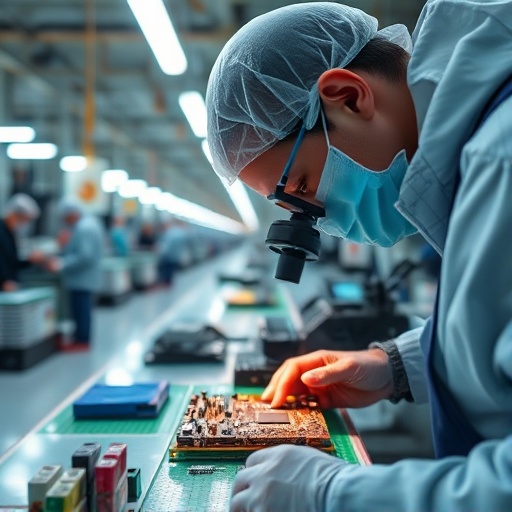
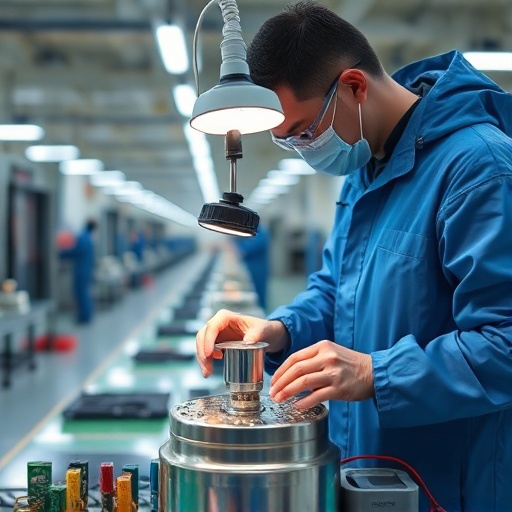
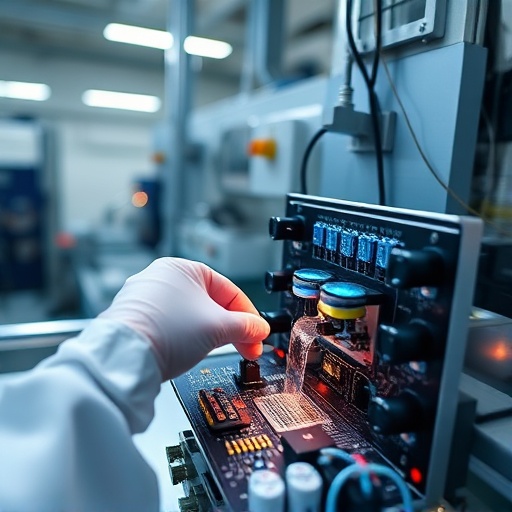
Walking through our Guangdong facility, the first thing you notice is the sound. It isn’t just the hum of injection molding machines; it is the rhythmic *click-clack* of AOI (Automated Optical Inspection) sensors verifying solder joints on circuit boards. The air smells faintly of ozone and heated plastic. Standing on that production line, you realize that the difference between a top-tier pet tech brand and a “disposable” unit is measured in microns and firmware stability. Most OEM buyers obsess over the unit price, ignoring the hidden costs of firmware updates and component degradation. Our team prioritizes long-term reliability because a dead fountain in a customer’s kitchen is a death sentence for your Amazon store’s ranking.
| Feature Category | Budget/Market Standard | DDPark Engineering Standard |
|---|---|---|
| Motor Reliability | Standard copper winding (prone to overheat) | Thermal protection redesign (prevents burn-out) |
| Sensor Technology | Basic float switch (prone to false-positive) | High-precision infrared sensors (accurate levels) |
| App Stability | Basic ESP8266 (poor OTA performance) | Tuya Smart Ecosystem & Custom IoT integration |
| Quality Assurance | Random visual check | AOI camera inspection (detects micro-solder defects) |
The Anatomy of a Pro-Level Sample Request
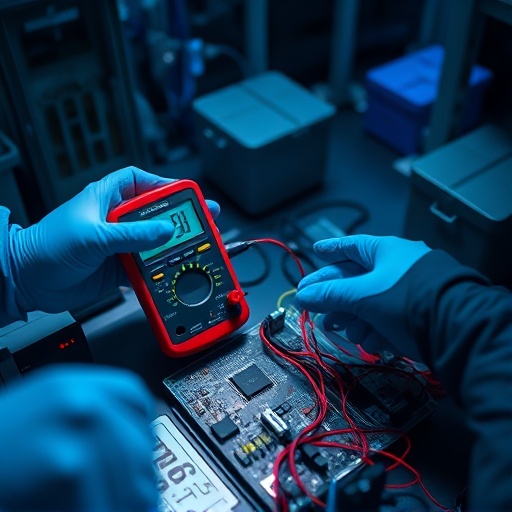
Requesting a sample is your primary opportunity to verify a manufacturer’s “Zero-Defect” philosophy. When you reach out, don’t just ask for a unit. Ask for the technical documentation that proves the product was built to last. I have seen too many sellers get excited by a shiny prototype only to find out the firmware is locked to an unstable server in a region with high latency. A smart device is only as good as its connection. If the app loses its handshake during a routine firmware update, you are effectively selling a brick.
My contrarian view? Stop worrying about the aesthetic of the packaging until you have verified the pump’s decibel levels and the sensor’s sensitivity in a real-world environment. Most brands overcomplicate the app interface, forgetting that the primary user is a cat or a dog. The human user just wants a notification when the water is low. If the app is cluttered, the UX fails. When you test your sample, focus heavily on the push notification latency. If it takes thirty seconds for a “Low Water” alert to reach your phone, the hardware is already behind the curve.
Executing the Request Process
To successfully navigate how to request sample smart water fountain for Amazon seller success, follow this framework:
- Declare Your Specs: Clearly define your power requirements and sensor preferences. If you are targeting the USA or EU, demand documentation regarding FDA, CE, and RoHS certifications immediately.
- The “Stress” Request: Ask for a “test-ready” unit. Tell the factory you intend to run a pre-shipment inspection. This single sentence changes how they treat your order; they know you are an operator, not a tourist.
- Customization Inquiry: Even on the first sample, inquire about logo placement and packaging. We maintain flexible MOQ for startups, which allows you to test market fit without drowning in inventory.
The transition from 2023, when many vendors struggled with poor OTA stability, to the current landscape has been defined by smarter hardware. We now utilize magnetic pumps that eliminate the risk of electric leakage, a common failure point in legacy water dispensers. You can request a free OEM quote from DDPark to see exactly how we align our production lines with the specific needs of Amazon FBA sellers.
Building for the Long Term
Our philosophy is rooted in over a decade of manufacturing. We operate with over 100 employees in the Pearl River Delta, exporting to more than 50 countries. Whether you are selling in the USA, Germany, or Japan, our team understands the regulatory hurdles and consumer expectations in these regions. By choosing a partner who understands the “Zero-Defect” approach, you mitigate the risks inherent in the pet tech supply chain.
Avoid the “race to the bottom” on price. A smart fountain that requires a refund or replacement after two months costs you significantly more in lost Amazon ranking than the marginal savings on the initial wholesale cost. Focus on the core technical specs: BPA-free materials, high-precision sensors, and robust firmware. If you are ready to scale, explore our manufacturing facilities and see how our commitment to quality can serve your brand.
Frequently Asked Questions
How long does it take to receive a smart water fountain sample?
A standard sample typically takes 3–7 days to process. A customized OEM sample with logo branding may take 10–14 days depending on current production schedules.
Should I test multiple samples before placing a bulk order?
Yes. We recommend stress-testing at least 3-5 units for a minimum of two weeks to observe motor performance, sensor accuracy, and app connectivity under real-world conditions.
Does DDPark support Amazon FBA packaging requirements?
Absolutely. We specialize in Amazon-ready packaging, including custom barcodes, FNSKU labeling, and drop-test compliant shipping cartons designed to minimize FBA storage damage.
Work with DDPark
Experience low MOQ support, anti-jam infrared detection, CE FCC RoHS certified, and in-house R&D engineering to elevate your pet brand.
Ready to Start Your OEM Order?
Contact our B2B team today for pricing, MOQ, and custom branding options.