Negotiating MOQs for Smart Pet Toys: A Retail Chain’s Playbook
How do you secure favorable terms for high-tech pet inventory without drowning in dead stock? For a pet store chain, the secret to learning how to negotiate MOQ interactive pet toy for pet store chain requirements lies in shifting the conversation from “unit volume” to “lifecycle partnership.” You don’t need to commit to massive, risky upfront orders if you can prove your value through phased rollouts and logistical efficiency. The most successful chains I’ve worked with treat their manufacturers not as commodity vendors, but as extensions of their own supply chain.
The pet tech space is currently drowning in cheap, rebranded Tuya modules that look great on a screen but often fail in a humid warehouse or a dog’s mouth after a few months. I’ve spent twelve years walking factory floors, and I can tell you that the difference between a market-leading toy and a landfill-bound failure is often hidden inside the chassis. If you’re a chain buyer, you aren’t just sourcing plastic; you are sourcing hardware that has to survive high-energy pets and extreme domestic environments.
The Sensory Reality of the Factory Floor
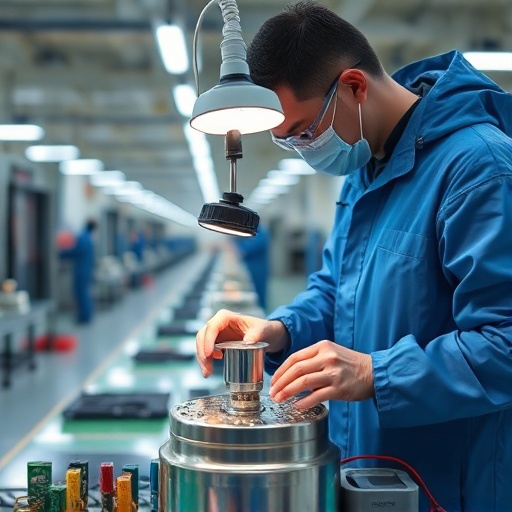
Walk into a top-tier facility in the Pearl River Delta, and you’ll hear the difference immediately. It’s not just the hum of the injection molding machines; it’s the silence of organized efficiency. I’ve seen factories where workers use blue masking tape to hold together misaligned cartons—that’s a red flag. When you see that, you know the internal components are likely being handled with the same lack of care.
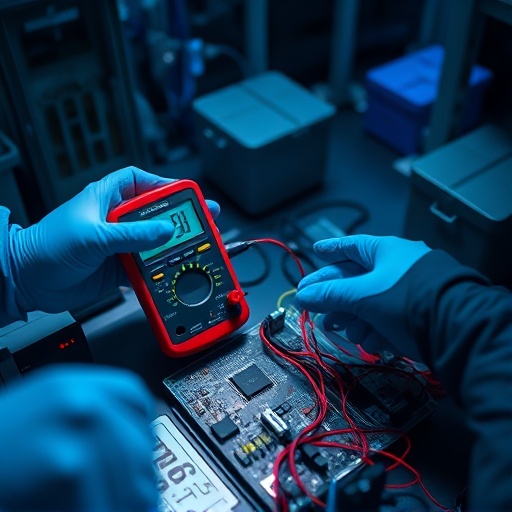
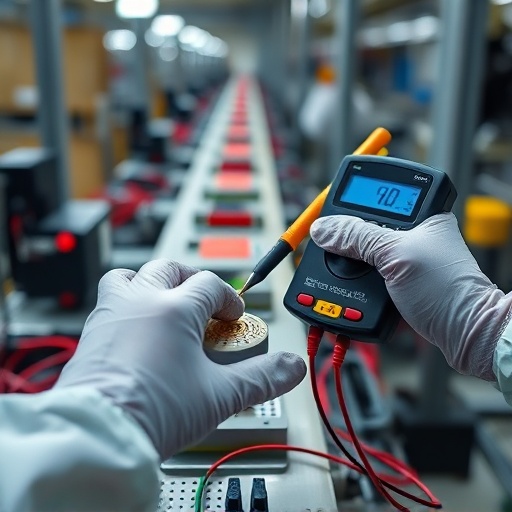
At DDPark, our production lines are different. You’ll hear the consistent, rhythmic click of precision testing equipment. You’ll see workers wearing anti-static gloves, handling circuit boards with the focus of watchmakers. We don’t rely on quick fixes because we know that one failed sensor in a batch of five thousand can trigger a massive chain-wide recall. If your manufacturer can’t articulate their thermal protection strategy for the toy’s motor, walk away. A toy that overheats isn’t just a return; it’s a liability.
Strategic Negotiation: Beyond the Price Sheet
Stop leading your negotiations with price. If you push a manufacturer solely on the unit cost, they will eventually cut corners on the internals—the copper winding in the motor, the quality of the infrared sensors, or the thickness of the ABS plastic. Instead, lead with your roadmap.
When discussing how to negotiate MOQ interactive pet toy for pet store chain needs, focus on the “phased rollout” strategy. Offer a commitment to a total annual volume, but break the delivery into quarterly tranches. This keeps your warehouse lean and your cash flow positive. I’ve found that manufacturers are far more willing to drop an MOQ if you can guarantee consistent, predictable shipping schedules. It allows their production managers to level-load their lines, which is a massive operational win for them.
Connectivity is another leverage point. If you aren’t asking about OTA (Over-the-Air) update stability or Matter compatibility, you are buying yesterday’s technology. Moving from basic Wi-Fi modules to robust ESP32-based systems reduces return rates significantly. My personal opinion? Any smart toy lacking a solid firmware update path is essentially a ticking time bomb for your customer service department.
The Golden Sample Insurance Policy
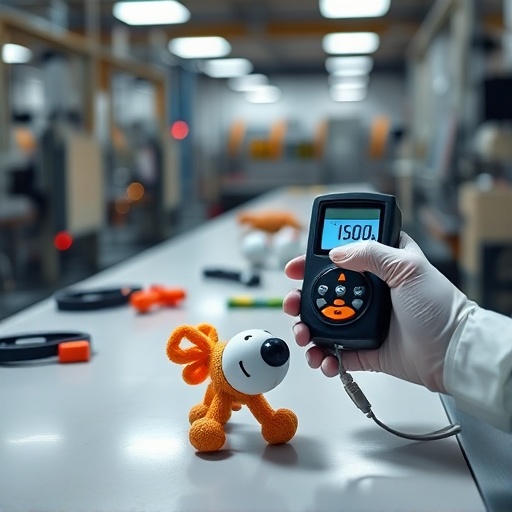
Never, under any circumstances, skip the “golden sample” approval. This is your legal and operational bedrock. The golden sample is the final, production-ready unit that both parties sign off on. It is the benchmark against which every single subsequent unit is measured. If the mass-produced items don’t match the sample’s tactile feel, motor speed, or sensor sensitivity, you have the contractual right to reject the batch.
| Feature | The “Budget” Trap | The Enterprise Standard | Why It Matters |
| :— | :— | :— | :— |
| Motor Winding | Aluminum (Cheap) | Copper (Efficient) | Prevents burnout |
| Sensor Tech | Basic IR | Precision Array | Prevents jamming |
| Housing | Recycled Plastic | Virgin ABS/Alloy | Impact resistance |
| QC Process | End-of-line spot check | Multi-stage testing | Reduces returns |
A Contrarian View on Private Labeling
Most consultants will tell you that private labeling is the only way to build brand equity. I disagree. For mid-sized pet store chains, the cost of managing the entire R&D and certification process for a “house brand” can destroy your margins. Instead, look for a partner who offers “co-branding” or “white-labeling with localized support.” You get the benefit of a proven, high-performance product without the R&D overhead. You can explore our smart pet product catalog to see where the balance between custom branding and proven performance lies.
Managing Inventory Risk
Interactive toys have a short, intense lifecycle. The biggest mistake I see chains make is over-ordering based on a holiday sales spike. By partnering with an exporter like DDPark, you gain access to global-ready inventory that is already compliant with CE/FCC/RoHS standards. We handle the heavy lifting of R&D, and you handle the retail experience.
If you want to modernize your shelves without the typical OEM headaches, you can request a free OEM quote from DDPark. We don’t chase the “cheap and fast” market; we focus on building hardware that keeps pets engaged and owners coming back to your stores. DDPark’s 10+ years of manufacturing expertise exists to ensure your shelves are stocked with products that actually work.
Frequently Asked Questions
Q: How can a pet store chain lower MOQs for smart toys?
A: Focus on long-term commitment rather than volume. By signing a master purchase agreement with phased delivery dates, you provide the manufacturer with the production stability they crave, which often results in lower MOQ requirements.
Q: Why is “golden sample approval” critical for pet tech?
A: It serves as your final defense against quality drift. In complex electronics, small changes in components can lead to massive failure rates; the golden sample locks in the exact specs that passed your initial vetting.
Q: Are Matter-compatible toys necessary for 2026?
A: They are becoming the baseline expectation. As smart home ecosystems consolidate, consumers are less likely to buy “siloed” toys that don’t integrate with their existing voice assistants or home hubs.
Work with DDPark
Our solutions feature a low-noise motor system, battery backup protection, in-house R&D engineering, and anti-jam infrared detection to ensure your pet store chain offers only the best.
Ready to Start Your OEM Order?
Contact our B2B team today for pricing, MOQ, and custom branding options.