The biggest misconception in pet tech sourcing is that WiFi connectivity is an automatic upgrade for every product line. For the B2B buyer, the decision between a smart pet feeder with WiFi connectivity vs without: which is better for B2B isn’t about the coolest feature set—it’s about your tolerance for customer support tickets and your target demographic’s local infrastructure. If you are selling to markets with shaky internet or price-sensitive consumers, a “dumb” mechanical feeder often outperforms a high-tech unit in both customer satisfaction and net profit.
The Factory Floor: Sensory Reality
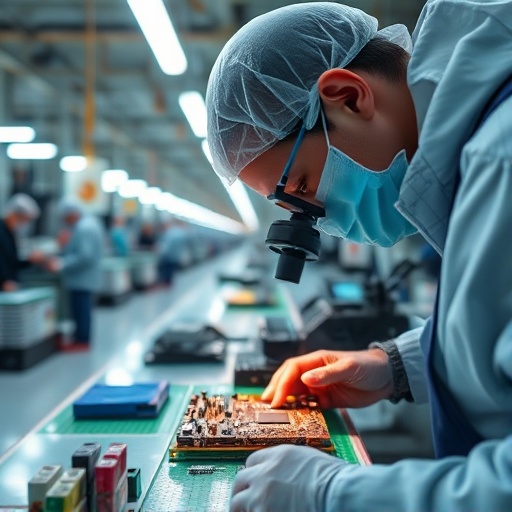
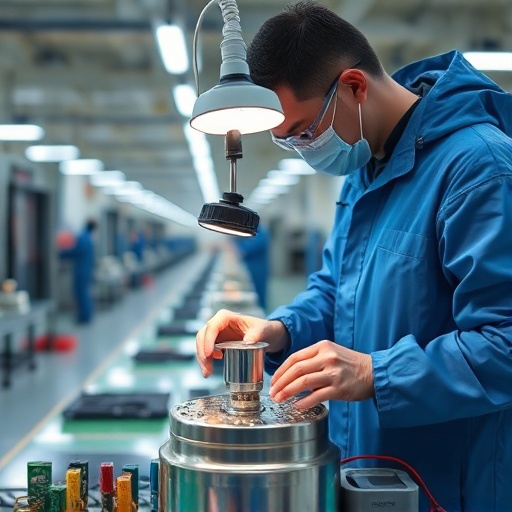
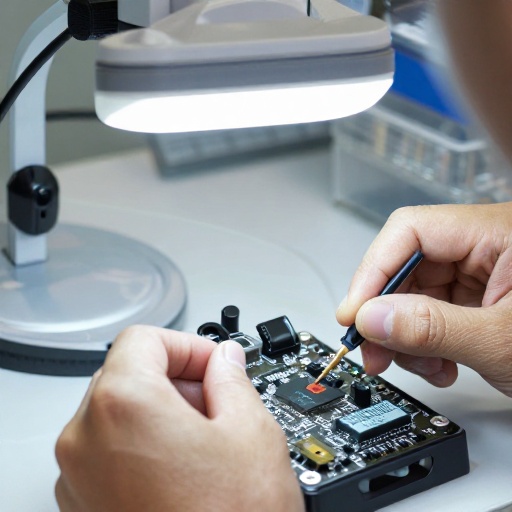
Walk onto our assembly floor in the Pearl River Delta, and you’ll hear the difference immediately. The non-WiFi lines are rhythmic and steady, defined by the mechanical snap of food dispensers and the consistent hum of motor testing rigs. It is a predictable, low-stress environment for production. Contrast that with our smart-feeder assembly zone. Here, the air is thick with the scent of ozone and flux. Technicians aren’t just assembling plastic; they are tethered to monitors, running high-speed OTA (Over-The-Air) updates on every unit.
I have watched teams scramble when a batch of generic Wi-Fi modules failed to handshake with a specific router protocol. It’s a frantic, high-stakes dance. When a mechanical feeder fails, it’s usually a jammed gear. When a smart feeder fails, it’s an irate customer who can’t feed their dog while at work. That is why I personally advocate for a bifurcated strategy: keep the entry-level mechanical units as your “anchor” products and position the WiFi-enabled models as premium, high-margin upsells.
Market Comparison: WiFi vs. Standard Feeders
| Feature | Standard (Mechanical) | WiFi-Enabled (Generic) | DDPark OEM Premium |
|---|---|---|---|
| Connectivity | None | 2.4GHz / Tuya | Matter / ESP32 / Custom |
| Primary Failure Point | Motor wear | Cloud/Module instability | Minimal (Stress-tested) |
| Typical Margin | Moderate | High (Premium pricing) | Optimized (Factory Direct) |
| Target Market | Budget/Rural/Senior | Urban/Tech-Savvy | Mass-Premium/Global |
The Hidden Costs of Connectivity
Many buyers chase the “smart” label without considering the backend. If you source a feeder with a cheap, generic chip, you are essentially outsourcing your customer support to a server in a different time zone. Those “false-positive” alerts—where the app tells a user the bowl is empty when it’s actually full—are the silent killers of brand loyalty. I’ve seen retailers lose their entire margin on a batch just by paying for the return shipping on units that were “broken” due to software glitches rather than hardware failure.
Contrarian insight: Sometimes, the best smart feeder is the one that works offline by default. If your WiFi-enabled unit requires a cloud handshake just to dispense a portion of kibble, you have designed a brick for the next time the internet goes down. Prioritize units that store schedules locally on the firmware. This small engineering choice saves thousands in potential support costs.
Manufacturing Precision: The DDPark Advantage
Precision isn’t just a buzzword; it’s a physical reality on our line. During a recent audit, our AOI (Automated Optical Inspection) system flagged three boards with microscopic solder fractures. Most factories would have passed these, but we pulled them. A fracture like that might survive a week in the warehouse, but it will fail once the internal heat of the motor kicks in. We don’t build for the sale; we build for the three-year lifecycle.
My personal opinion? The stainless steel bowl debate is settled. Plastic harbors bacteria that cause feline acne and odor retention. If you want to build a premium brand, don’t skimp here. Our smart pet feeder catalog is designed to be fully modular, allowing you to swap out bowls and hoppers to match your specific market tier without re-engineering the entire logic board.
Why Scale Matters in OEM
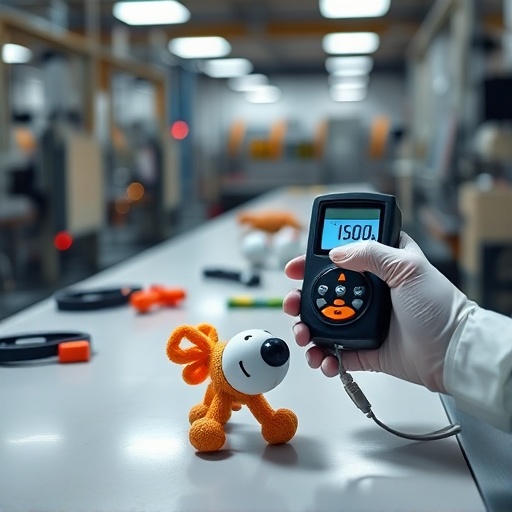
Sourcing is a game of risk mitigation. With over a decade of experience, we’ve learned that scale allows for the testing cycles that smaller shops skip. When we develop a new impeller for our feeders, we put it through 50,000 continuous cycles. We don’t just guess that it won’t jam; we prove it. If you are ready to scale your pet product line, we invite you to Request a Free OEM Quote from DDPark. We provide full logo, packaging, and APP customization, helping you build a brand that resonates with the modern, connected pet parent.
Don’t let the technical jargon overwhelm your sourcing strategy. Whether you need a simple, reliable mechanical unit or a sophisticated Matter-compatible smart feeder, our team is ready to help you navigate the trade-offs. Visit DDPark 10+ Years Manufacturing Expertise to see how our facility is setting the standard for the global pet industry.
Frequently Asked Questions
Q: Are non-WiFi pet feeders still relevant for B2B distributors?
A: Absolutely. They remain a dominant force in budget-conscious markets and areas where internet stability is not guaranteed. Their simplicity ensures lower return rates and higher long-term reliability.
Q: What is the biggest technical challenge with WiFi-enabled feeders?
A: The primary hurdle is cloud stability and sensor accuracy. Poorly implemented modules lead to “false-positive sensor triggers,” which frustrate customers and drive up unnecessary support overhead.
Q: How does DDPark ensure quality for its OEM smart feeders?
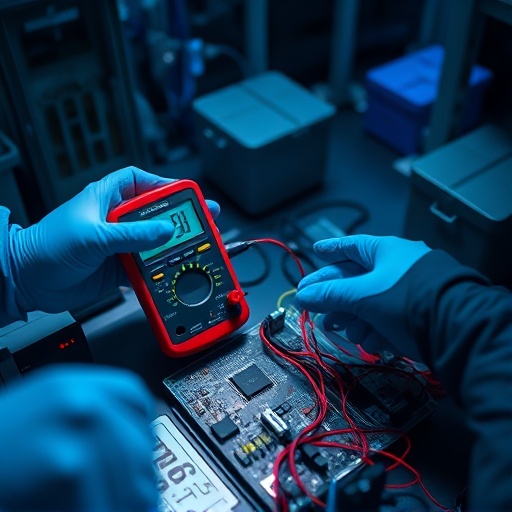
A: We utilize a Zero-Defect manufacturing philosophy. Every circuit board undergoes rigorous AOI camera inspection, followed by environmental stress testing and long-term aging simulations before any unit is cleared for export.
Work with DDPark
Experience the benefits of food-grade BPA-free materials, factory direct OEM pricing, in-house R&D engineering, and exhaustive aging test before shipment.
Ready to Start Your OEM Order?
Contact our B2B team today for pricing, MOQ, and custom branding options.