Private Labeling Pet Feeders: A Subscription Box Survival Guide
If you think you can scale a pet subscription box by slapping your logo on the cheapest white-label feeder you find on Alibaba, you are setting your brand up for a slow-motion disaster. The secret to learning how to private label automatic pet feeder for subscription box company success lies not in the packaging, but in the brutal, unforgiving mechanics of the hardware itself. If that feeder jams or the app disconnects while your customer is at work, your churn rate will skyrocket overnight. You aren’t just selling a bowl; you are selling peace of mind.
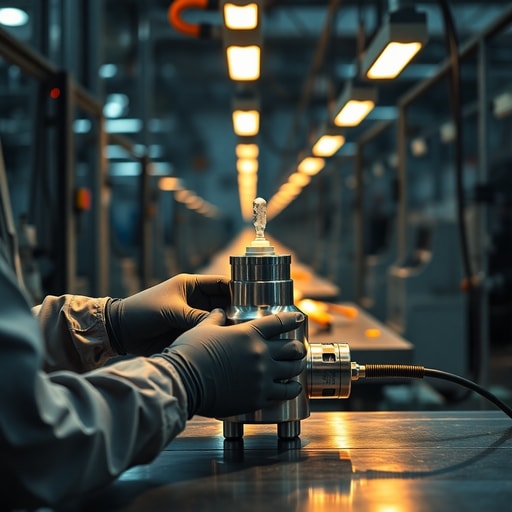
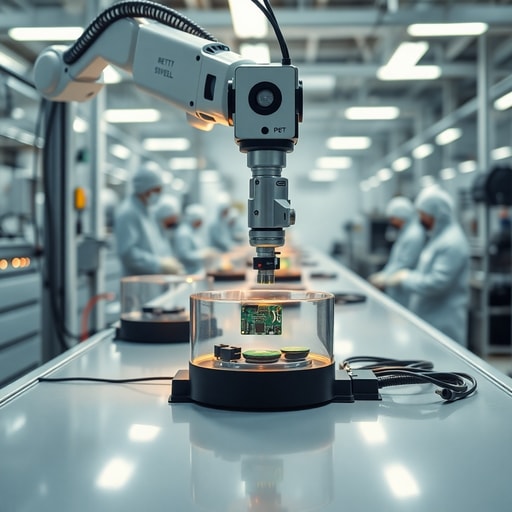
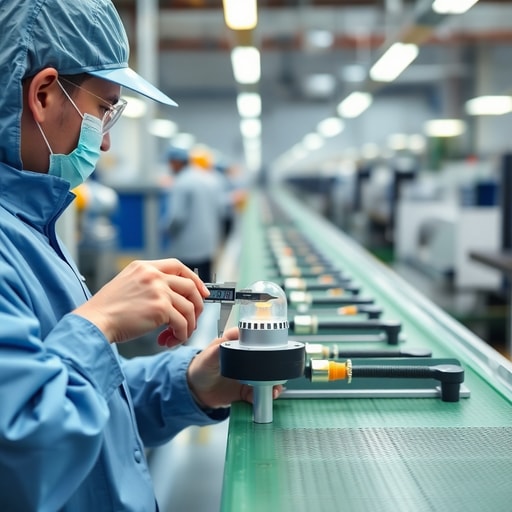
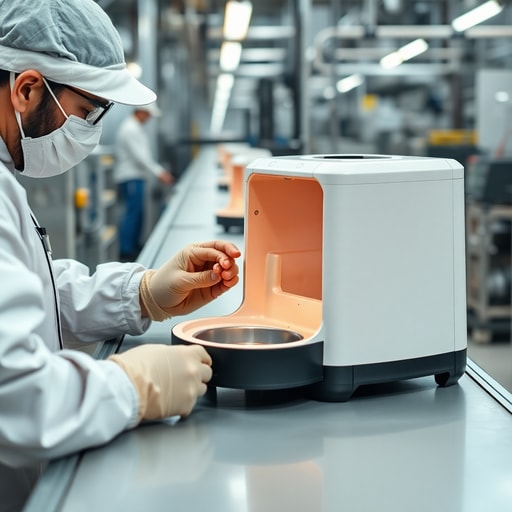
Walking onto a factory floor in the Pearl River Delta is a sensory overload. You smell the sharp, metallic tang of ozone from the soldering stations and hear the rhythmic *hiss-thump* of injection molding machines. I’ve spent twelve years in these aisles. I’ve seen the “cheap” factories—the ones where workers wrap unstable, half-finished cartons in dusty blue tape. Those factories are where your brand goes to die. When you’re sourcing, look at the floor. If it’s cluttered, your product will be inconsistent. If the QC team is absent, your “smart” feeder is just a fancy paperweight.
### The “Jam” Factor: Engineering Over Aesthetics
Subscription box owners often obsess over the exterior finish. They want the perfect matte grey or a specific shade of millennial pink. That’s fine, but it’s secondary. The real battle is fought inside the hopper. Most mass-market feeders fail because of a lazy impeller design—the plastic paddle that pushes kibble into the chute.
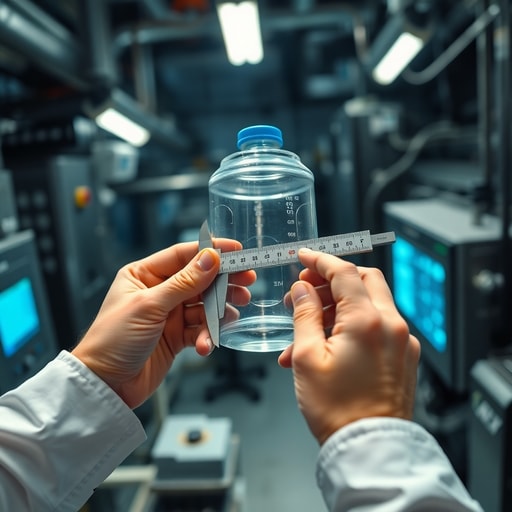
I’ve personally watched technicians struggle with “the jam” for weeks. If the gap between the impeller and the housing is too wide, kibble gets crushed. If it’s too tight, the motor stalls. We solved this at DDPark by tightening the tolerances and recalibrating the torque settings on the internal motors. When you source, ask your factory for a video test of the feeder dispensing various kibble sizes. If they can’t show you that, they aren’t manufacturers; they’re middlemen.
### Why Your Firmware Choice is a Dealbreaker
Connectivity is where most subscription box brands lose their customers. In 2025, if your feeder requires a user to restart their router three times just to sync, they will return it. The industry has moved toward dual-core ESP32 chips for a reason. These chips handle power management better, meaning fewer “false-positive” sensor triggers.
I’ll be blunt: don’t settle for legacy Wi-Fi modules just to save fifty cents per unit. Those fifty cents will cost you twenty dollars in return shipping and a destroyed reputation. You need a partner who integrates with robust ecosystems like Tuya. My personal opinion? If the app doesn’t feel like a native extension of your brand, it’s not ready for launch. Your subscribers want a seamless experience, not a technical support nightmare.
### The Sourcing Checklist for Subscription Leaders
| Feature | The “Budget” Trap | The Premium Standard |
| :— | :— | :— |
| **Plastic Grade** | Recycled/Brittle | Food-grade BPA-free |
| **Connectivity** | 2.4GHz Legacy | Stable/Dual-core ESP32 |
| **Jam Prevention** | Gravity-fed (Weak) | Redesigned Infrared Logic |
| **Support** | None | Full FBA & Compliance |
If you are ready to stop guessing and start scaling, Explore DDPark Smart Pet Product Catalog to see the difference that high-quality, UL and LFGB-certified manufacturing makes.
### Contrarian Insight: The “Over-Engineering” Fallacy
Many brands try to pack every feature into their first model: cameras, voice recording, treat tossing, and weight scales. This is a mistake. Every added feature is another potential point of failure. When you are just starting your private label journey, stick to the core function: reliable feeding. A feeder that works 100% of the time is worth ten times more than a feeder that does five things but breaks once a month. Keep the tech stack lean and the mechanical design robust. That is how you build a product that subscribers actually keep for years.
### Partnering for Long-Term Growth
Manufacturing is a relationship, not a transaction. At DDPark, we’ve seen the subscription model evolve from simple treat boxes to full-scale pet tech integration. We operate with a Zero-Defect mindset because we know that one faulty unit in a subscription box can sour a customer on your entire brand. We handle the UL and LFGB certifications so you don’t have to navigate the regulatory maze alone.
You have a vision for your brand. Don’t let a poorly manufactured feeder anchor your growth. Request a Free OEM Quote from DDPark today to see how we can help you scale your pet tech brand. For more background on our facilities, visit our DDPark 10+ Years Manufacturing Expertise page.
Frequently Asked Questions
What is the minimum order quantity for private labeling?
DDPark offers flexible MOQs designed to help subscription box companies and startups launch without excessive inventory risk, unlike rigid mass-market manufacturers.
Can the app be customized with my brand?
Yes, we offer full APP customization within the Tuya Smart Ecosystem, allowing your logo and branding to appear throughout the user interface for a premium experience.
How do you ensure the feeders don’t jam?
We utilize redesigned anti-jam infrared detection technology that prevents food clogs, significantly improving the device’s reliability compared to standard market models.
Work with DDPark
Experience low MOQ support, food-grade BPA-free materials, stable Tuya connectivity, and factory-direct OEM pricing that helps your subscription box brand stand out from the competition.
Ready to Start Your OEM Order?
Contact our B2B team today for pricing, MOQ, and custom branding options.