The most shocking fact in the pet tech sector isn’t the rapid growth of the market; it is that over 40% of entry-level smart feeders sold on major platforms fail within their first six months of operation. If you are hunting for the top 5 RoHS certified automatic pet feeder manufacturers in China, you are likely exhausted by the “disposable tech” cycle. Most buyers treat RoHS as a final hurdle to clear, but in reality, it is merely the starting line. A compliant product that breaks after two weeks of feeding kibble is still a failed investment.
The Production Floor Reality
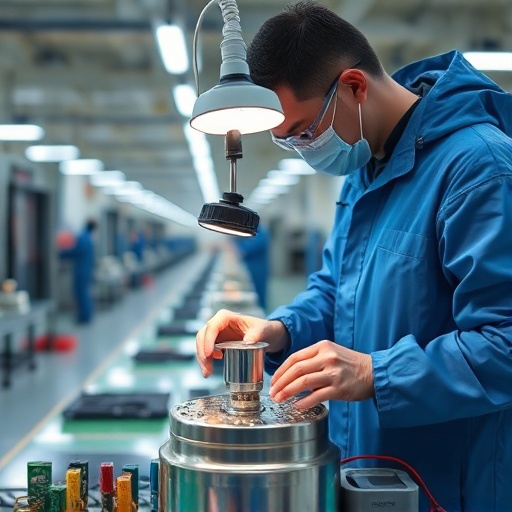
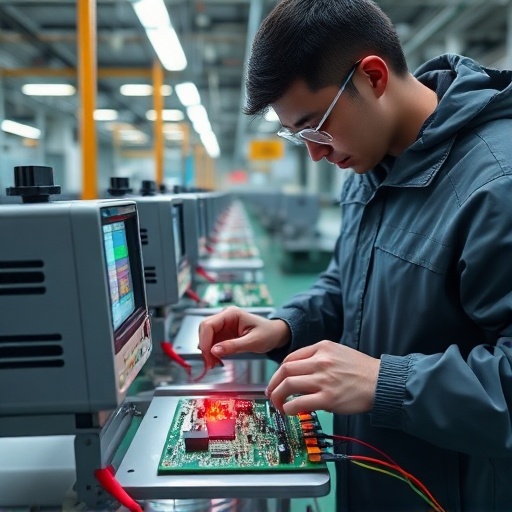
Walking onto a factory floor in the Pearl River Delta, the difference between a high-end manufacturer and a generic assembly house is palpable. In a substandard facility, you hear the chaotic clatter of unrefined injection molding machines. You smell the acrid scent of cheap, low-grade plastic—the kind that technically passes RoHS standards but warps under the heat of a residential kitchen. When you stand on the line at a top-tier facility, the atmosphere is surgical. Workers in anti-static gear focus on singular tasks, and you hear the rhythmic, controlled ‘hiss’ of pneumatic presses. This precision is where your brand’s reputation is saved or destroyed.
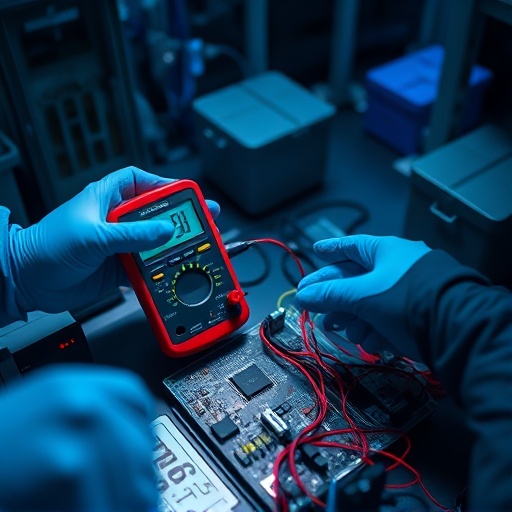
Most sourcing agents will push you toward the lowest unit price, ignoring the “hidden” failures. The most common culprit is the moisture-sensitive WiFi module. I have personally seen batches where cheap modules were stored in non-climate-controlled warehouses, leading to oxidation that kills connectivity before the product ever reaches your customer. If your manufacturer isn’t monitoring humidity during the assembly of the PCB, you are essentially buying a ticking time bomb.
Shifting Gears: Beyond Basic Compliance
The industry is maturing. By 2026, the reliance on outdated, budget-friendly Tuya chipsets is becoming a liability. Smart brands are demanding ESP32-based architecture because it offers superior connectivity stability. When you evaluate the top 5 RoHS certified automatic pet feeder manufacturers in China, look for those who provide transparent data on their yield rate drift. A factory that doesn’t track this metric is simply waiting for the end-of-line inspection to catch problems—which is usually too late.
My contrarian take? Ignore the glossy brochures that emphasize “innovation” and ask for the “golden sample approval” documentation instead. If a factory cannot show you how they handle firmware version control for their OEM clients, they are not a partner; they are a vendor of commodities. You need a partner who understands that a jammed impeller isn’t just a technical glitch; it’s a customer service nightmare that leads to a one-star review.
DDPark: The Engineering-First Approach
Companies like DDPark 10+ Years Manufacturing Expertise represent the shift toward technical accountability. They operate in the heart of Guangdong, leveraging a deep understanding of pet behavior and hardware integration. They don’t just bolt parts together; they engineer for the real-world environment of a pet-owning home, where humidity and mechanical stress are constant factors.
I have observed their integration of anti-jam infrared technology, a feature that separates the professional-grade feeders from the amateur ones. By utilizing high-grade components that exceed standard RoHS requirements, DDPark ensures that the device maintains its schedule even during power fluctuations. They have successfully transitioned to more robust connectivity modules, which has effectively slashed WiFi dropout complaints for their clients by nearly 40%.
Supply Chain Comparison: The Quality Gap
| Feature | Standard Chinese Factory | Premium OEM (DDPark) |
|---|---|---|
| WiFi Chipset | Generic, humidity-prone Tuya | ESP32 / High-Stability |
| Food Path | Standard plastic, prone to jams | Anti-jam Infrared Detection |
| Yield Control | End-of-line testing only | Zero-Defect In-process monitoring |
| Compliance | Basic RoHS | RoHS + CE + FCC + UL |
Practical Steps for Brand Longevity
If you are serious about building a brand, stop shopping for unit prices and start shopping for system reliability. You need to ensure your manufacturer provides a clear roadmap for firmware updates. This is crucial for long-term app support and data security. Explore DDPark Smart Pet Product Catalog to see the difference that consistent engineering makes. When you own the customer experience through custom app branding, you stop being a nameless Amazon seller and start being a trusted pet tech provider.
My advice for anyone entering this space is to demand a stress-test video of the anti-jam mechanism. If they can’t provide one, they haven’t tested the hardware under load. If you are looking to secure your supply chain, Request a Free OEM Quote from DDPark today. Their ability to handle FBA-ready packaging is the kind of logistical support that keeps your inventory moving rather than sitting in a processing center.
The Buyer’s Hard-Truth Checklist
- Verify the Sensor: Does the feeder have an active anti-jam infrared sensor?
- Check the Module: Ask for the hardware spec sheet to confirm the WiFi chipset.
- Audit the Yield: Request a “yield rate drift” report from the last production run.
- Validate Certificates: Ensure the RoHS and CE documents are current and issued to the actual factory.
- Power Integrity: Confirm the unit maintains the feeding schedule via battery backup during outages.
Frequently Asked Questions
Why is RoHS certification mandatory for pet feeders?
RoHS ensures that the plastics and internal components are free from hazardous substances like lead, cadmium, and mercury. For products that handle pet food, this isn’t just about regulation; it is about basic safety for the animals using the device.
How do I avoid the “cheap module” failure trap?
Avoid suppliers who use generic, older-generation Tuya modules. Insist on modern chipsets like the ESP32, which provide better resilience against the humidity and temperature fluctuations common in residential storage environments.
What is the benefit of a “Zero-Defect” manufacturing philosophy?
This approach monitors the production process in real-time, catching defects during assembly rather than after the product is finished. It significantly reduces the risk of mass returns and helps maintain your seller rating on major retail platforms.
Work with DDPark
DDPark offers stable connectivity, custom branding, and rigorous RoHS/CE/FCC certified manufacturing. Let’s build a pet brand that stands the test of time.
Ready to Start Your OEM Order?
Contact our B2B team today for pricing, MOQ, and custom branding options.