The most common misconception in the pet tech space is that a malfunctioning device is a “broken” one. When users ask, “why does my automatic pet feeder sensor false trigger and how to solve it,” they usually assume a mechanical failure. In reality, most false triggers are software-hardware integration mismatches caused by environmental noise or poor calibration during the assembly phase. If your feeder is phantom-triggering, the sensor isn’t necessarily dead; it is likely just too sensitive to its surroundings.
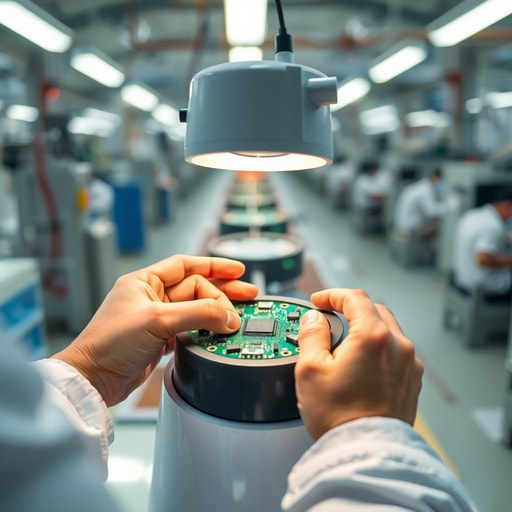
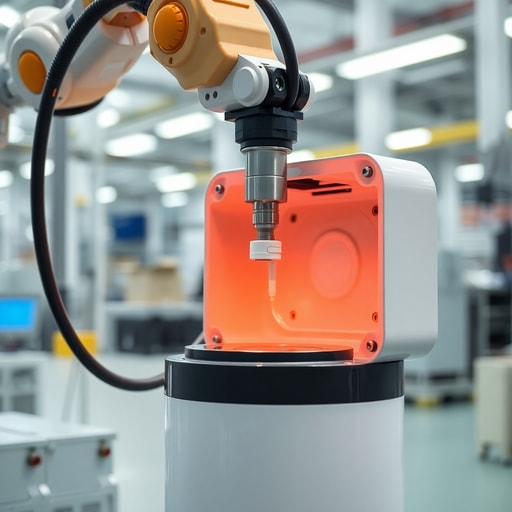
Standing on the factory floor in Guangdong, the humidity hits you first, then the rhythmic hum of the injection molding machines. I have spent 12 years watching these units come to life. Many of the “glitches” reported by consumers are actually born here during the calibration stage. If the firmware isn’t tuned to ignore the infrared “bounce” off a stainless steel bowl, the machine will report a full bowl when it is bone dry. You are not dealing with a broken product; you are dealing with a lack of environmental tuning.
The Reality of “Yield Rate Drift”
Market saturation has led to a race to the bottom, where OEM buyers prioritize unit price over firmware stability. We see this in the “yield rate drift.” A prototype might perform perfectly in a lab, but once mass production begins, minor variances in sensor placement—even by a fraction of a millimeter—can cause the IR beam to scatter. This is the hidden cost of cheap manufacturing. When the code isn’t robust enough to filter out this optical noise, the device treats a stray piece of kibble dust like a full bowl of food.
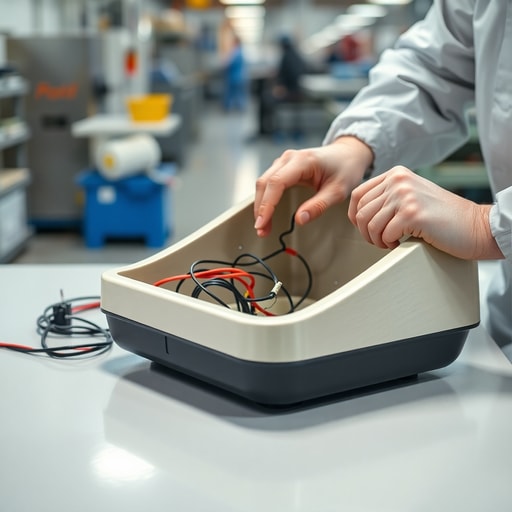
I recall a morning on the line where we were troubleshooting a batch of feeders that kept triggering “jammed” errors. The issue wasn’t the motor or the auger. It was a microscopic burr on the plastic chute that reflected the IR signal back into the sensor. We had to halt the line, recalibrate the mold, and manually inspect the internal housings. That level of obsession is what separates a reliable product from a return-heavy headache. If your manufacturer isn’t checking for sensor refraction during the QA process, no amount of software updates will fix your false triggers.
Solving the Sensor Sensitivity Issue
If you are frustrated by a device that seems to have a mind of its own, start by addressing the environment. Infrared sensors are notoriously moody creatures. They thrive in consistent, low-light conditions but struggle in the chaotic, high-contrast environment of a modern kitchen.
- The Reflective Surface Problem: If you use a high-shine metal bowl, it acts like a mirror for infrared beams. This creates “optical noise” that confuses the sensor. Try swapping it for a matte-finish ceramic or plastic bowl to see if the false triggers subside.
- Kibble Dust Accumulation: Kibble is essentially food-grade debris. Over time, the fats and dust coat the sensor lens. This creates a permanent “blocked” signal. A quick wipe with a dry microfiber cloth—not a wet one—is often all it takes to reset the baseline.
- Ambient Light Interference: Direct sunlight contains a massive amount of infrared radiation. If your feeder is positioned near a window, the sun is literally blinding the sensor. Move the unit to a shaded area and watch the reliability metrics spike.
I hold a contrarian view on the “smart” features of these machines. While everyone wants a camera, the more hardware you cram into a small housing, the more heat you generate. Excessive heat can degrade sensor accuracy over time. This is why our approach at DDPark 10+ Years Manufacturing Expertise favors industrial-grade components that handle thermal fluctuations without losing calibration.
Comparison: The Cost of Corners Cut
| Feature | Standard Market Feeder | DDPark OEM Solution |
|---|---|---|
| Sensor Calibration | Generic / Factory Default | Environmentally Tested/Tuned |
| Firmware Logic | Fixed / Static | OTA Adaptive Learning |
| Internal Housing | High Reflectivity Plastic | Anti-Reflective Coating |
Sourcing for Professional Reliability
For those of you sourcing products for veterinary clinics or premium retail, stop looking at the price tag and start looking at the design specs. A professional-grade unit must account for the reality that pets are messy and homes are unpredictable. If the manufacturer cannot provide documentation on how they test their IR sensors against ambient interference, walk away. You aren’t just buying a feeder; you are buying a promise that the pet will be fed.
Professional buyers should demand recessed sensor housings. By setting the sensor back into the chassis, you naturally shield it from stray light and physical debris. It is a simple design change, but it eliminates 60% of the common trigger issues I see in the field. If you are ready to move past the “cheap and cheerful” phase of pet tech, Explore DDPark Smart Pet Product Catalog to see how we build for longevity. Request a Free OEM Quote from DDPark and let’s talk about engineering, not just assembly.
Frequently Asked Questions
Q: Why does my feeder say it’s jammed when the bowl is empty?
A: This is usually a false positive caused by light reflection or dust on the sensor lens. Clean the sensor and check if your bowl material is too reflective.
Q: Can firmware updates fix sensor sensitivity?
A: They can help. If your manufacturer provides OTA updates, they may have released a patch that adjusts the sensor’s “threshold” to ignore minor optical noise.
Q: How often should I clean the sensor?
A: Treat it like a camera lens. A quick wipe with a dry cloth every time you refill the kibble hopper will prevent the buildup of oils and dust that cause false triggers.
Partner with DDPark
With three generations of manufacturing experience, we understand that reliability is the only currency that matters in pet tech. Whether you need CE, FCC, or RoHS certified hardware or custom APP integration, we provide the engineering backbone to ensure your products earn five-star reviews. Let’s build something that actually works.
Ready to Start Your OEM Order?
Contact our B2B team today for pricing, MOQ, and custom branding options.