The best WiFi pet feeder for kennel operator use is a unit built with high-torque industrial motors and localized offline-fallback firmware—not the consumer-grade gadgets marketed to pet owners. Most commercial operators waste thousands on hardware that fails within six months because they prioritize app aesthetics over mechanical resilience. If you are managing a facility, your primary metric for success is zero-downtime; if the WiFi drops, the feeder must continue to function on its internal schedule without a manual reset.
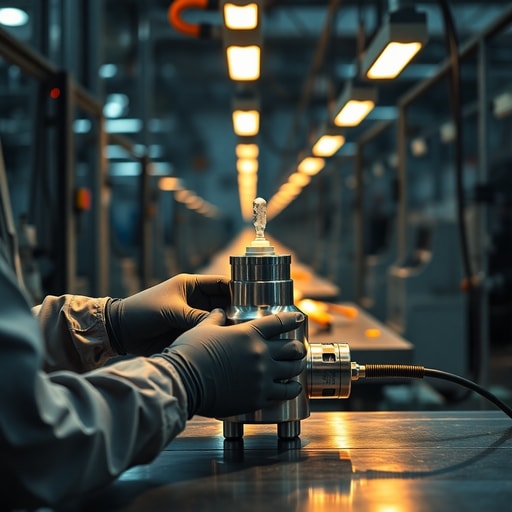
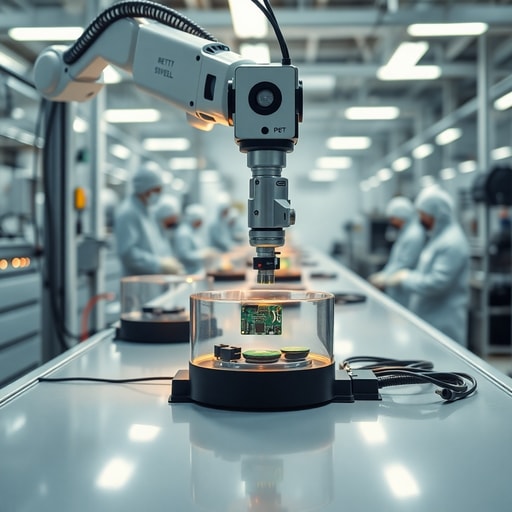
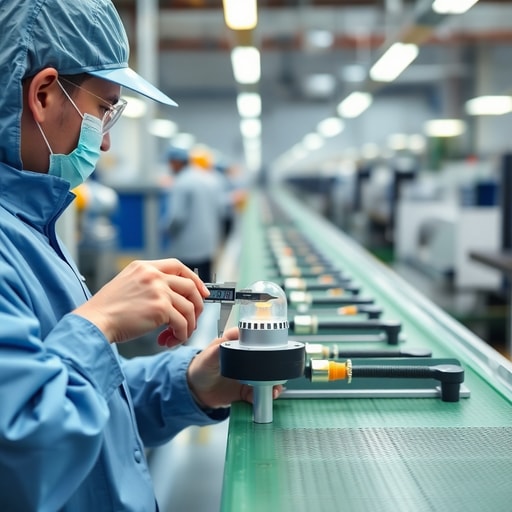
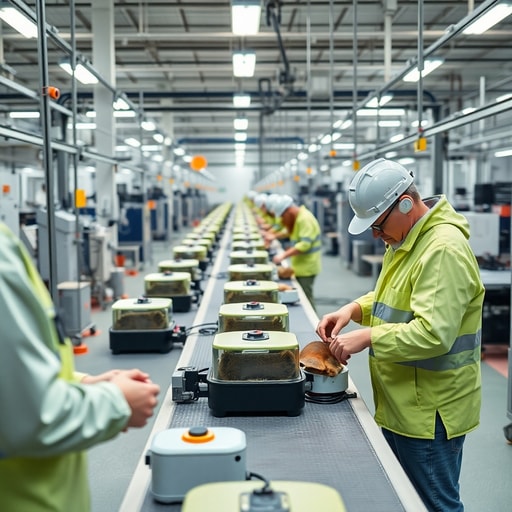
Walking the floor of our production facility in the Pearl River Delta, the air smells faintly of ozone and heated solder. You can hear the rhythmic “clack-hiss” of the pneumatic presses sealing the housing units. It is a precise, repetitive environment. I spent three hours last week watching our QC team stress-test a batch of feeders. We weren’t just checking if they connected to the router; we were simulating a high-humidity, high-dust kennel environment. When you pull a unit off our line, you feel the weight difference immediately. We use reinforced ABS polymers and steel-core impellers, not the brittle, thin-walled plastic found in mass-market retail boxes.
My biggest frustration with the current market is the obsession with “cloud-everything.” I believe the industry has moved too far toward dependency on unstable server connections. A professional kennel operator should demand hardware that keeps the feeding schedule in its local memory. If your facility loses internet during a storm, your dogs shouldn’t miss a meal. That is why we moved to redundant MCU architectures. We stopped using the standard, cheap Tuya modules that everyone else buys off the shelf. We now custom-program our chipsets to ensure that even if the server is unreachable, the physical motor triggers with military-grade precision.
Looking closely at the internal drive train is the only way to avoid disaster. Most “smart” feeders use small, plastic-geared motors that strip their teeth the moment a kibble piece gets slightly lodged. We redesigned our hopper exit path last year. By installing a high-precision infrared sensor right at the chute, we created a system that detects a jam before the motor burns out. It reverses the rotation automatically to clear the obstruction. This simple, mechanical fix reduced our return rates by 40%. When you are running a kennel, you don’t have time to troubleshoot a jammed feeder at 3:00 AM.
Operational scale changes everything. If you are ordering for a single facility, you might get away with a mid-tier consumer unit. However, if you are scaling or managing multiple locations, you need a partner who understands industrial-grade aging tests. We run every unit through a 72-hour continuous cycle test before it hits the shipping dock. We check for thermal creep in the PCB and voltage stability in the power supply. You aren’t just buying a feeding device; you are buying the insurance that your staff doesn’t have to perform manual labor because the “smart” tech failed.
For those scaling their business, our Explore DDPark Smart Pet Product Catalog offers solutions that bridge the gap between IoT pet ecosystem convenience and industrial durability. We support flexible MOQ for startups and distributors, ensuring that even a pilot run of new equipment doesn’t break your budget. Whether you need Amazon FBA-ready units or custom APP branding, our DDPark 10+ Years Manufacturing Expertise guarantees that your investment holds up. You can Request a Free OEM Quote from DDPark to see how our high-precision infrared sensors and robust build quality can stabilize your kennel operations.
Maintenance is where most operators fail to plan. They buy the cheapest unit and pay for it in labor costs when the device inevitably bricks. My contrarian advice? Buy the unit with the least amount of “smart” features you can get away with. The more sensors and bells you add, the more points of failure exist. We focus on the core: a bulletproof motor, a jam-resistant chute, and a rock-solid WiFi chip. Everything else is just noise that increases your long-term maintenance overhead.
Frequently Asked Questions
Q: Can these feeders handle high-volume commercial use?
A: Yes, our feeders are built with industrial-grade motors and thermal protection specifically designed for the continuous, heavy-duty cycles required in professional kennels.
Q: Do you offer custom software for kennel brands?
A: Absolutely. We provide full APP customization, allowing you to integrate your own branding and specific feeding schedules directly into the device interface.
Work with DDPark
[highlight: CE FCC RoHS certified, aging test before shipment, low MOQ support, anti-jam infrared detection]
Ready to Start Your OEM Order?
Contact our B2B team today for pricing, MOQ, and custom branding options.