Smart Litter Box with Filter Replacement vs Without: A B2B Manufacturing Perspective
Are you betting your brand’s reputation on a consumable revenue stream or a low-maintenance promise? When evaluating a smart litter box with filter replacement vs without: which is better for B2B? The short answer: choose filter-equipped models if you want recurring customer engagement, but prioritize filter-less, high-sealing designs if you are targeting the premium, “set-it-and-forget-it” demographic.
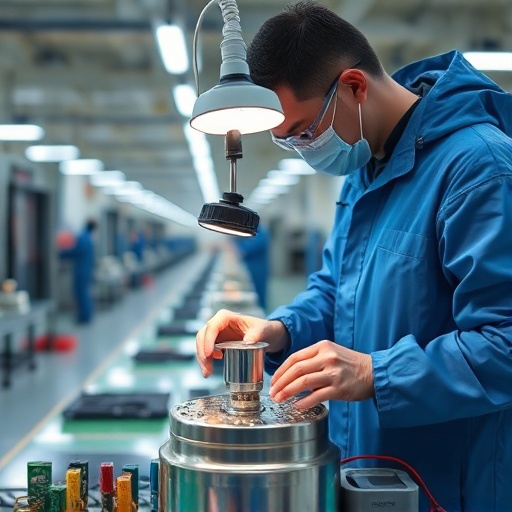
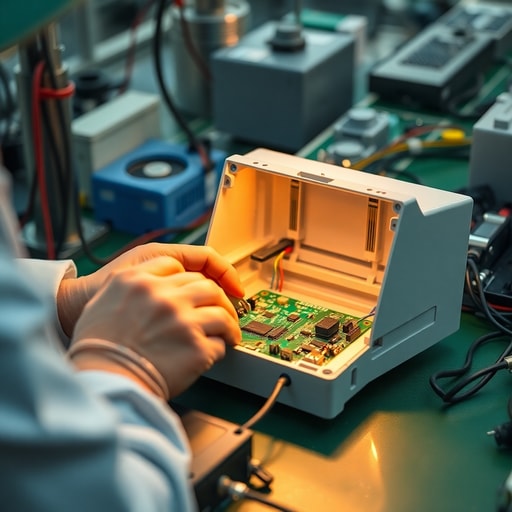
I still remember the scent of hot solder and ozone on the factory floor in Shenzhen during the initial rollout of our first-gen automated units. Watching the assembly line workers meticulously calibrate the weight sensors, I realized that the “filter vs. no-filter” debate isn’t just about consumer convenience. It’s about the mechanical reality of how a machine handles odor containment. If your unit lacks a physical carbon barrier, your engineering team must compensate with superior mechanical seals. If they fail, that’s not just a bad review; it’s a warehouse full of returned, contaminated inventory.
### The Engineering Reality on the Factory Floor
Walking through our production facility, you can hear the difference between a high-quality motor and a cost-cut alternative. A quiet, smooth hum signals precision; a high-pitched whine signals a gear assembly that will fail within six months.
When you choose a system that relies on filters, you are essentially offloading the odor management to a replaceable component. This keeps your internal mechanical design simpler. Conversely, a filter-less unit requires a complex, airtight waste drawer and often an integrated UV-C or ionization system.
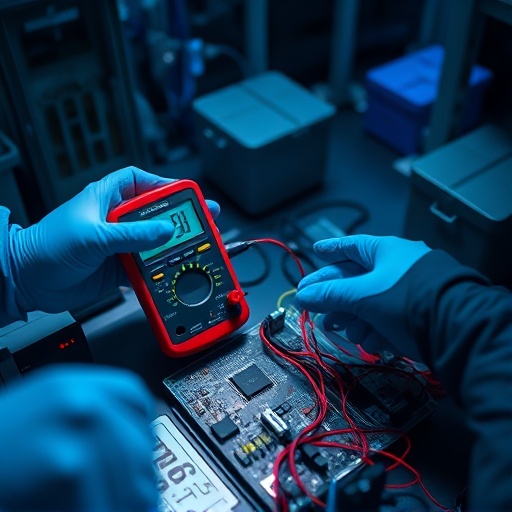
Here is the hard truth: most brands ignore the environmental testing phase. They assume a design that works in a dry office will work in a humid laundry room. They are wrong. If your supplier isn’t using conformal coating on the PCBs, humidity will kill your electronics before the filter even needs changing.
### Five Critical Factors for Sourcing Success
1. **Ecosystem Lock-in:** Proprietary filters ensure repeat purchases. This is brilliant for customer lifetime value (CLV) but creates a massive logistics headache if your distribution chain isn’t rock-solid.
2. **Sanitation Standards:** Filter-less models rely on active sanitation. Ensure those UV-C components are certified. A failed lamp in a non-filtered unit makes the product useless overnight.
3. **Connectivity Standards:** Stop chasing the cheapest WiFi modules. If your unit drops from the app, the “smart” aspect of the litter box vanishes. We use industrial-grade chips to ensure the connection survives a router reboot.
4. **Firmware Resilience:** Can your device survive a failed OTA update? If not, you are one bad push away from a bricked fleet of devices.
5. **Scalability:** Does your factory handle the stress test in-house? If they wait for you to find the bugs, you’ve already lost.
### The “Razor and Blade” Trap vs. Premium Simplicity
The debate regarding a smart litter box with filter replacement vs without: which is better for B2B often forces a choice between two distinct business models. The “filter-replacement” model is a classic subscription play. It creates a recurring touchpoint with your customer. However, subscription fatigue is real. Consumers are increasingly pushing back against devices that require a constant stream of proprietary parts.
Contrarian insight: I actually prefer the filter-less route for high-end markets. By investing more in the initial build—better silicone gaskets, tighter tolerances, and superior air-flow design—you offer a “cleaner” value proposition. You aren’t selling a recurring cost; you are selling a superior piece of hardware. It’s harder to manufacture, but it builds much stronger brand loyalty.
### Learning from Mechanical Failure
I once oversaw a run where we saved a few cents on the rotation motor’s copper winding. It looked fine on paper. Under load, however, the motors overheated, causing the plastic casing to warp slightly. That tiny warp broke the seal of the waste drawer, and suddenly, the odor control was non-existent.
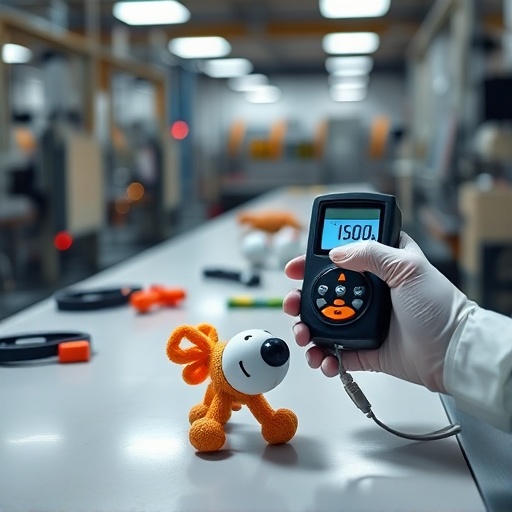
That disaster cost us more than we ever saved on the parts. Since then, we have adopted a zero-defect philosophy. Every component—the magnetic pumps, the rotation gears, the sensors—is pushed to its absolute breaking point before we ever hit “start” on the main production line. We see an average 20% increase in unit longevity simply by refusing to compromise on material quality.
### Strategic Partnership with DDPark
When you Explore DDPark Smart Pet Product Catalog, you are accessing a decade of industrial experience. We understand that modern B2B clients don’t just want a box; they want a Matter-compatible, future-proofed solution that integrates seamlessly into a smart home ecosystem.
Our Guangdong facility is designed for transparency and precision:
* **Logo and Packaging Customization:** We align the aesthetic perfectly with your brand.
* **APP Customization:** Your brand stays front-and-center, not the factory’s.
* **FBA Readiness:** We handle the regulatory documentation so your cargo clears customs without a hiccup.
Whether you are a startup looking for a small pilot run or a global distributor needing thousands of units, we scale with you. Our team has helped brands move from concept to market-leader status by solving the “hidden” problems before they leave the factory. When you choose to Request a Free OEM Quote from DDPark, you aren’t just getting a supplier. You are getting an engineering partner that understands the difference between a product that sells and a product that lasts.
For a deeper look into the standards we uphold, check out our history at DDPark 10+ Years Manufacturing Expertise. We don’t just assemble parts; we engineer reliability into every single unit.
Frequently Asked Questions
Q
Does a filter-less smart litter box actually save the end-user money?
A
While the consumer avoids the recurring cost of filters, they pay for the higher-end engineering required for effective odor sealing. It is a trade-off between long-term maintenance costs and a higher initial hardware investment.
Q
How does DDPark ensure the electronic components don’t fail in humid climates?
A
We use industrial-grade ESP32 modules and apply conformal coating to all PCBs. This prevents moisture-related corrosion, which is a common failure point for cheaper, consumer-grade smart pet products.
Q
Are Matter-compatible smart litter boxes essential for 2026?
A
Absolutely. As the smart home market consolidates around Matter, consumers expect their devices to communicate across platforms. Any product without it is essentially legacy tech on arrival.
Work with DDPark
Our commitment to excellence includes: [highlight: low-noise motor system, in-house R&D engineering, factory direct OEM pricing, stable Tuya connectivity]
Ready to Start Your OEM Order?
Contact our B2B team today for pricing, MOQ, and custom branding options.