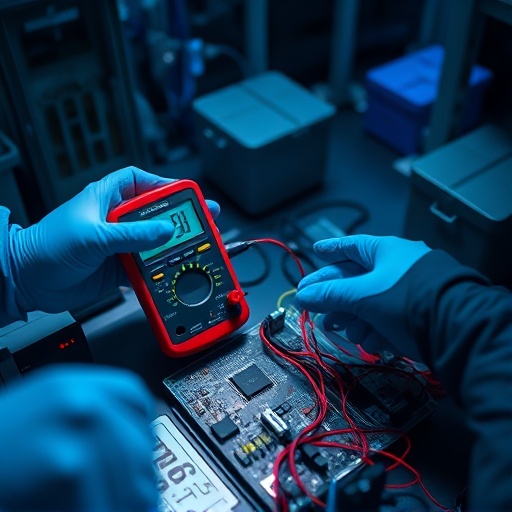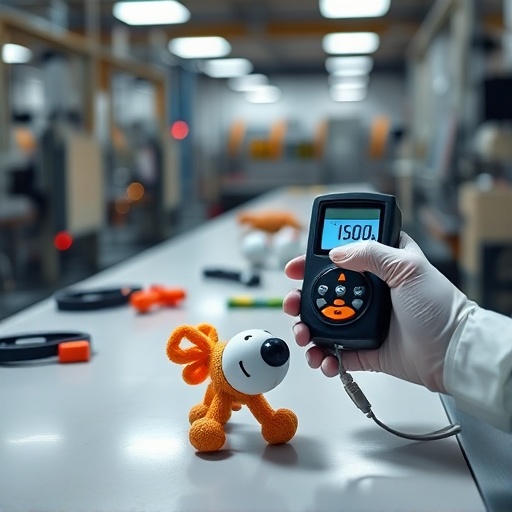
To effectively how to prevent return rates in smart litter box inventory, you must abandon the “set it and forget it” approach to OEM manufacturing. The primary fix lies in rejecting low-cost, copper-clad aluminum motors that overheat under load and enforcing a mandatory 48-hour burn-in period for all electronics. High return volumes rarely stem from user error; they are almost always the result of sensor drift in humid environments or connectivity drops caused by cheap WiFi modules. Partnering with factories that utilize thermal-cutoff circuitry and rigorous, serialized testing is the only way to protect your bottom line.
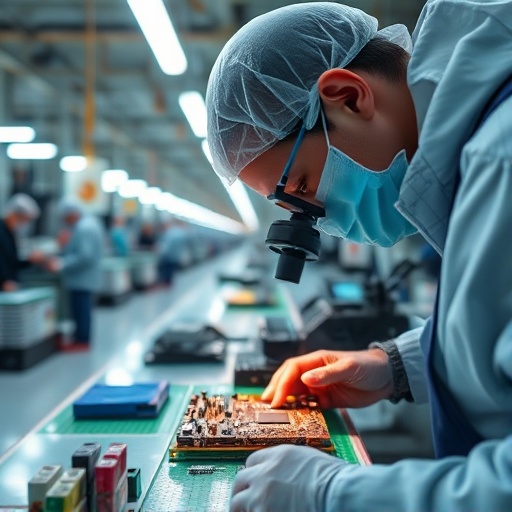
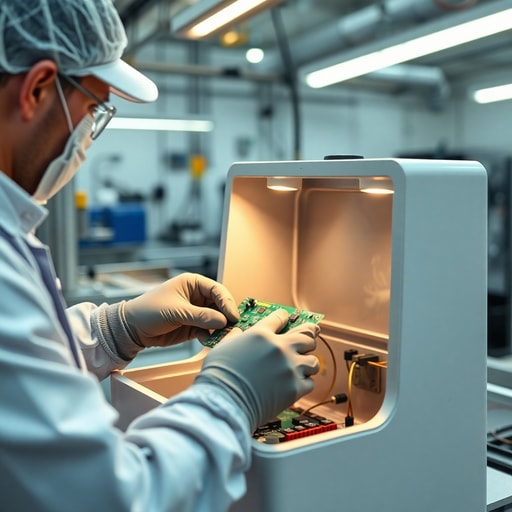
There is a dangerous industry myth that “smart” features are inherently fragile and returns are just the cost of doing business. This is false. I have spent over a decade walking factory floors in the Pearl River Delta, and I can tell you that a 15% return rate is not a technical inevitability—it is a procurement failure. Last month, I stood in a facility where the air was thick with the smell of ozone and hot plastic. I watched a technician testing a batch of units. He noticed the motor housing was vibrating at an irregular frequency, yet the assembly line supervisor was ready to box them up anyway. That is where your brand dies.
Most brand owners assume that if a factory is ISO-certified, the quality is guaranteed. This is a naive assumption. Quality is not a certificate on a wall; it is the discipline of the person soldering the sensor wire at 4:00 PM on a Friday. When you look at the components inside your litter box, look past the sleek white plastic. Demand to see the PCB. If you see unshielded traces or low-grade capacitors, you are looking at a future return. I personally advocate for stainless steel internal components, not just for hygiene, but because they hold tolerances better than cheap, injection-molded plastic that warps under the heat of a motor.
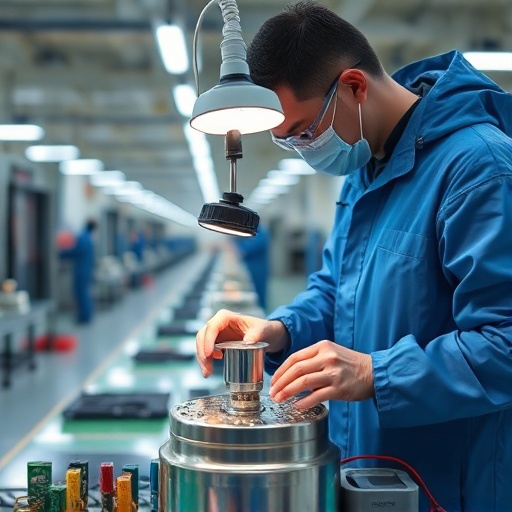
Motor burnout remains the silent killer of pet tech businesses. Many entry-level units use motors that struggle with high-density clumping litter, leading to gear stripping and thermal failure. We addressed this by integrating a thermal protection redesign—essentially a fail-safe that cuts power before the windings melt. When you integrate this with a dual-core ESP32 chip, you solve the stability issues that lead to “device offline” errors. These aren’t luxury upgrades; they are basic survival requirements for a product that operates 24/7 in a dusty, high-moisture bathroom environment.
Firmware is the second front of this war. I have seen perfectly good hardware bricked by a botched OTA (over-the-air) update. You must demand that your manufacturer builds a “rollback” function into the firmware architecture. If an update causes a conflict with the Tuya ecosystem, you need the ability to revert your entire fleet to a stable version instantly. Relying on an OEM that doesn’t understand the nuance of remote device management is a gamble you will eventually lose. Explore DDPark Smart Pet Product Catalog to see the engineering standards we apply to our motor and connectivity hardware.
| Feature | Standard Market Unit | Premium Retail Unit | DDPark OEM |
|---|---|---|---|
| Motor Protection | None | Basic Fuse | Thermal Redesign |
| Sensor Tech | Generic IR | Advanced IR/Weight | Triple-redundant IoT |
| Certifications | None | CE | CE, ISO9001, FCC, RoHS |
My contrarian take? Stop chasing the lowest unit price. Every dollar you shave off the BOM (Bill of Materials) is usually adding five dollars of “return cost” in shipping, restocking fees, and customer support labor. A smart litter box is a mechanical-digital hybrid. It has more failure points than a standard appliance. If you aren’t paying for the aging test, you are effectively paying your customers to beta-test your product. We prioritize the IoT ecosystem architecture to ensure that the hardware and the app speak the same language, reducing the friction that leads to negative reviews.
DDPark focuses on the entire lifecycle, not just the assembly stage. We provide the technical oversight necessary to ensure your brand remains viable in high-regulation markets like the USA and Germany. Whether you need custom APP development or specific FBA-ready packaging that survives the rigors of logistics, our DDPark 10+ Years Manufacturing Expertise provides the stability your customers expect. Request a Free OEM Quote from DDPark today to stabilize your supply chain.
Frequently Asked Questions
Q: Why do most smart litter boxes fail within the first few months?
A: Most failures occur due to moisture exposure damaging the WiFi PCB or motor burn-out from low-grade copper wiring that cannot handle the torque required for heavy clumping litter.
Q: How does DDPark handle quality control for international markets?
A: We enforce a zero-defect philosophy, performing aging tests on 100% of units before shipment to ensure compliance with CE and FCC standards across 50+ countries.
Work with DDPark
We provide aging test before shipment, custom logo and packaging, in-house R&D engineering, CE FCC RoHS certified solutions for your brand.
Ready to Start Your OEM Order?
Contact our B2B team today for pricing, MOQ, and custom branding options.