The most effective way to prevent motor noise in smart pet toys is to abandon cheap, brushed motors in favor of high-torque, brushless alternatives coupled with custom-molded silicone vibration dampeners. If you start with a low-grade motor, no amount of software patching will hide the mechanical whine that eventually drives a cat or dog away from your product.
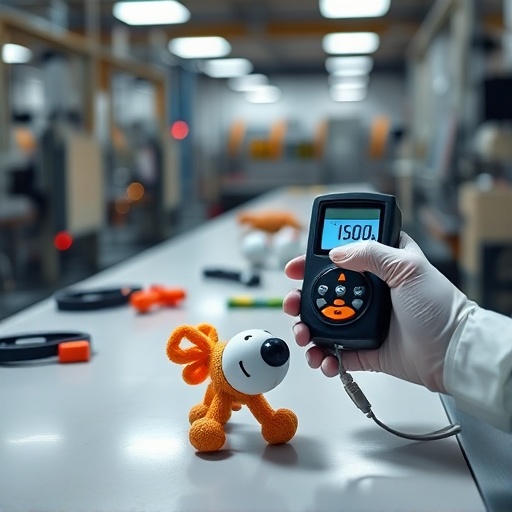
I’ve spent twelve years walking the floors of factories across Guangdong, and the biggest lie in this industry is that “noise is unavoidable” in mass production. It isn’t. Noise is simply a symptom of lazy engineering and bottom-barrel component sourcing. When I stand on the line at our facility, I listen for the *lack* of sound. If the assembly team is shouting over the screech of testing rigs, we’ve already failed. The hum of a quality motor should be barely audible, a soft purr that doesn’t trigger a pet’s noise-induced anxiety.
### The Anatomy of a Quiet Motor
Most factory managers will try to sell you on standard DC brushed motors. They are cheap. They are ubiquitous. They are also ticking time bombs for your return rates. As the carbon brushes wear down, friction increases, and the acoustic signature shifts from a gentle whir to a grinding, high-pitched mechanical whine.
To prevent this, you must insist on brushless DC (BLDC) motors. These eliminate the physical contact points that generate friction-based noise. I’ve seen prototypes that sounded like a blender in a library; swapping the motor for a high-quality brushless unit reduced the decibel output by nearly 40% immediately.
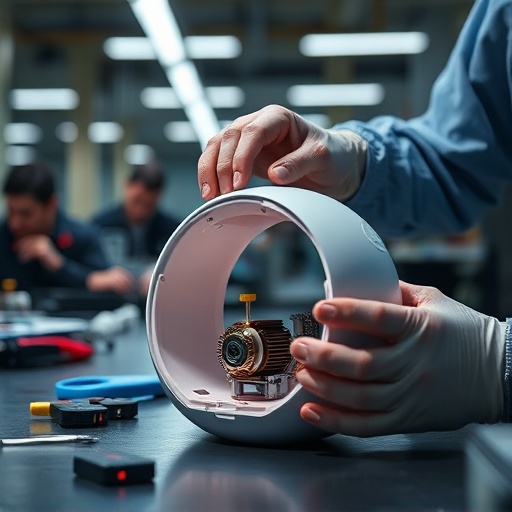
Beyond the motor itself, the housing is the primary culprit for resonance. Think of your plastic shell as a speaker box. If the motor is hard-mounted to the chassis, every vibration is amplified. We use TPE (thermoplastic elastomer) gaskets to “float” the motor assembly within the housing. It’s a simple, low-cost fix that most manufacturers skip because it adds three seconds to the assembly time. Three seconds is the difference between a five-star review and a return.
### Why Your Firmware Might Be the Problem
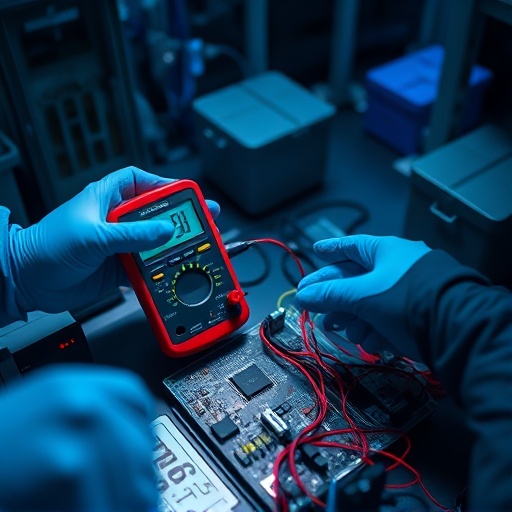
Distributors often treat firmware as a “set and forget” feature, but I’ve seen bad code kill perfectly good hardware. A motor that isn’t controlled by a smooth pulse-width modulation (PWM) signal will stutter. That stutter translates into audible clicking. If your motor controller lacks sophisticated current regulation, it will overheat. When copper windings get hot, they expand, friction increases, and your “silent” toy begins to howl.
We spend weeks on firmware tuning, ensuring the motor ramp-up is gradual. A sudden surge of power creates a jarring sound that scares the pet. My contrarian take? Stop chasing the cheapest PCB vendor on Alibaba. If the board is poorly laid out, you get electromagnetic interference that manifests as a high-frequency buzz. You can’t filter out bad design with a software update.
### Sensory Details from the Floor
Walking through a production line is a visceral experience. You can smell the ozone if a motor is straining. You can feel the vibration through the steel tables if the gearboxes aren’t aligned. I remember a specific batch in 2021 where the plastic casing was off by 0.05mm. The motors weren’t failing, but they sounded like a lawnmower. We scrapped four thousand units because, to a dog with sensitive hearing, that sound is a dealbreaker.
| Feature | Standard Budget Toy | Premium DDPark OEM |
| :— | :— | :— |
| Motor Architecture | Brushed (Friction-heavy) | Brushless (Friction-less) |
| Noise Profile | 65dB+ (Mechanical Whine) | <40dB (Soft Ambient Hum) |
| Mounting System | Rigid (Direct to plastic) | Floating (Silicone Dampened) |
| PCB Reliability | Generic (Overheats) | Industrial (Thermal Managed) |
| Quality Control | Batch sampling | 100% Acoustic Testing |
### The Real Cost of "Cheap"
Skeptics will argue that high-end components destroy margins. I argue that returns destroy brands. If you are building for Amazon FBA, your product’s life is determined by the first impression. If the toy makes a grinding noise, the customer hits the return button before the pet even touches it.
We maintain a strict zero-defect philosophy at our Pearl River Delta facility because I refuse to deal with the logistics of reverse-shipping broken toys. It is cheaper to pay a few cents more for a vibration-dampened motor mount than it is to lose a customer for life. Whether you are scaling a new brand or pivoting an existing line, the focus must remain on the mechanical integrity of the internal assembly.
If you are ready to stop shipping noise and start shipping quality, Request a Free OEM Quote from DDPark. We provide the engineering rigor that your competitors are trying to ignore. You can also Explore DDPark Smart Pet Product Catalog to see how we integrate these silent-motor systems into our current lineup. Leveraging our DDPark 10+ Years Manufacturing Expertise ensures your brand isn’t just another noisy plastic gadget destined for a landfill.
Frequently Asked Questions
Q: Why does my smart pet toy get louder over time?
A: Noise degradation is usually caused by low-quality copper winding in the motor, which leads to overheating, friction, and eventual gear wear. Once the internal lubrication dries out or the brushes wear, the acoustic profile shifts dramatically.
Q: Does motor noise impact pet usage?
A: Absolutely. Pets possess hearing ranges far more sensitive than humans. High-frequency motor noise creates a “fear response,” which leads to avoidance and increased product return rates. A quiet motor is a functional necessity, not a luxury.
Work with DDPark
Experience industry-leading [highlight: anti-jam infrared detection, CE FCC RoHS certified, low-noise motor system, battery backup protection] to elevate your brand.
Ready to Start Your OEM Order?
Contact our B2B team today for pricing, MOQ, and custom branding options.