Why Gravity Feeders Leak: A Factory Insider’s Reality Check
Ever stepped into your kitchen only to find your socks soaked by a mysterious puddle under the pet station? If you are asking, “why does my gravity feeder water leakage and how to solve it,” you are dealing with a design flaw that has plagued the industry for years. Most leaks stem from a compromised vacuum seal or poor material tolerances at the factory level. If your feeder is leaking, it is almost certainly due to a vacuum failure, a warped base, or a degraded silicone gasket that couldn’t handle the pressure of the water column.
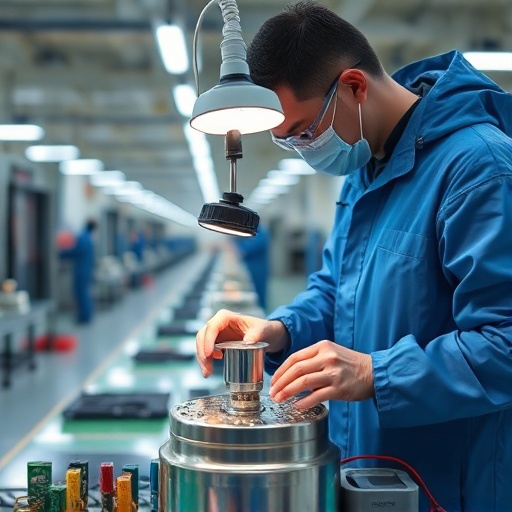
Standing on the factory floor in Guangdong, the air is thick with the smell of heated polycarbonate and the rhythmic clatter of injection molding machines. I have spent twelve years watching these units come off the line. There is a distinct difference between a unit built for a premium brand and one destined for a bargain bin. When I see a worker rushing to pull a tray from the mold before it has properly cooled, I know that unit will eventually warp. That warping creates the micro-gaps that lead to your leaking nightmare.
## The Anatomy of a Failure
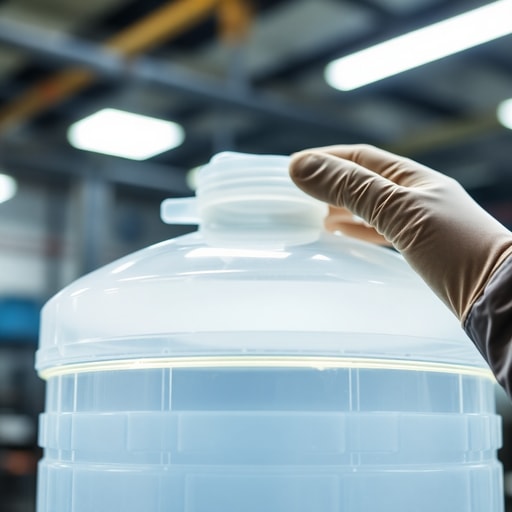
Gravity feeders aren’t high-tech, which is exactly why they should be reliable. They operate on a simple principle: atmospheric pressure keeps the water inside the reservoir until the level in the bowl drops low enough to let air bubbles in. When that system breaks, your floor pays the price.
### The Gasket Trap
Most manufacturers treat the silicone gasket as an afterthought. They source the cheapest rubber available, which loses its elasticity within months. Once that seal hardens, it stops conforming to the reservoir neck. You end up with a drip that starts slow and accelerates as the temperature in your home fluctuates. I’ve seen thousands of units where the gasket was slightly too thin—a “cost-saving” measure that ruins the entire user experience.
### Thermal Stress and Plastic Integrity
Plastic is not inert. During the molding cycle, if the injection pressure is inconsistent or the cooling time is cut to save electricity, the plastic develops internal stresses. These stresses eventually manifest as hairline cracks. You might not see them, but water finds them. If your feeder sits in a sunlit spot, the heat expansion will force these microscopic fissures open, leading to a puddle that seems to appear out of nowhere.
## A Skeptic’s View on “Smart” Upgrades
While I focus on gravity systems, I see many brands trying to “fix” these issues by adding electronics. Let’s be honest: adding a cheap sensor to a poorly molded plastic base is just adding more points of failure. I have seen countless smart feeders fail because the PCB was exposed to moisture due to a leaking reservoir. If you are a distributor, do not be fooled by fancy apps; focus on the physical build quality first. If the plastic can’t hold water, the WiFi module is just an expensive paperweight.
## Troubleshooting Your Leaking Feeder
Before you throw the unit into a landfill, try these practical steps to see if the problem is salvageable:
* **The Gasket Reset:** Remove the silicone ring, wash it in warm soapy water, and check for debris. Sometimes a tiny piece of cat hair or grit is all it takes to break the vacuum seal.
* **Leveling the Playing Field:** These devices rely on gravity. If your floor has even a slight tilt, the water level in the bowl won’t sit flush against the valve, causing a constant, slow release of water.
* **The Cap Check:** Ensure the reservoir cap is screwed on perfectly straight. Cross-threading is a common manufacturing defect that prevents the vacuum from forming.
* **Temperature Caution:** Never use hot water to clean the reservoir. High heat warps the plastic housing, and once that housing is warped, no amount of cleaning will fix the leak.
## The Manufacturing Reality
Quality in pet tech isn’t about marketing buzzwords; it is about the discipline of the production line. When we produce units at DDPark, we enforce strict cooling cycles and use food-grade, high-density materials that resist warping. We know that a leaking feeder isn’t just a nuisance; it is a brand-killer. If your current supplier is shipping products with high defect rates, it is time to look at the Explore DDPark Smart Pet Product Catalog to see what a properly engineered system looks like.
Sourcing is about trust. I have seen too many distributors get burned by factories that cut corners on the mold quality. If you are tired of dealing with returns and want to build a reputation for reliability, Request a Free OEM Quote from DDPark. We provide transparency in our DDPark 10+ Years Manufacturing Expertise, ensuring your stock arrives ready for the shelf, not the trash bin.
Frequently Asked Questions
Q: Why does my gravity feeder keep overflowing?
A: Overflowing happens when the vacuum seal is broken, allowing air to rush into the reservoir constantly. Check the cap and the base valve for cracks or debris.
Q: Can I replace just the valve in a gravity feeder?
A: Rarely. Most valves are sonically welded or molded into the base assembly. If the valve fails, the base is usually compromised beyond repair.
Q: How often should I clean the feeder to prevent leaks?
A: Every two weeks is the industry standard. Build-up of slime or mineral deposits around the valve seat will prevent the seal from seating properly, leading to leaks.
Work with DDPark
Experience the difference of [highlight: anti-jam infrared detection, factory direct OEM pricing, custom logo and packaging, low-noise motor system]. Ready to elevate your pet product line? Contact us today for a tailored solution that puts reliability first.
Ready to Start Your OEM Order?
Contact our B2B team today for pricing, MOQ, and custom branding options.