Most importers believe that if a smart feeder connects to an app, it is future-proof. This is a dangerous misconception. When weighing a WiFi pet feeder with OTA firmware update vs without: which is better for B2B, the answer is binary: OTA is a necessity for survival, while non-OTA units are essentially disposable liabilities. If you cannot update the firmware remotely, you do not control your product—the factory’s initial, likely flawed, code does.
I remember standing on a factory floor in Shenzhen three years ago, the air thick with the smell of ozone and heated plastic. I watched a technician calibrate a batch of feeders that looked perfect to the naked eye. They passed the basic power-on test. Two months later, a routine security patch from the cloud provider rendered the entire batch unresponsive. Because those units lacked OTA capability, there was no way to push a fix. My client was left with 500 expensive, non-functional plastic shells. That moment changed how I view sourcing forever.
The Reality of the Factory Floor
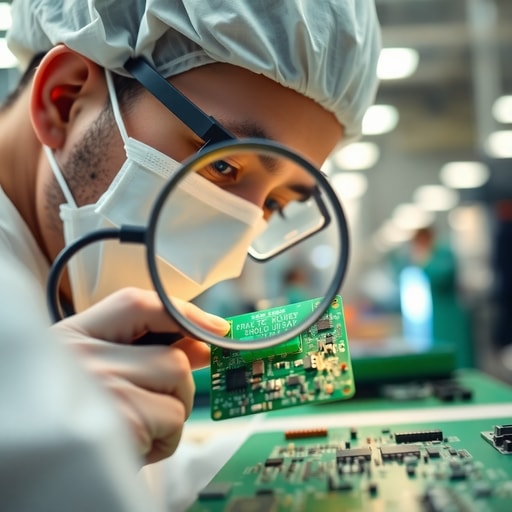
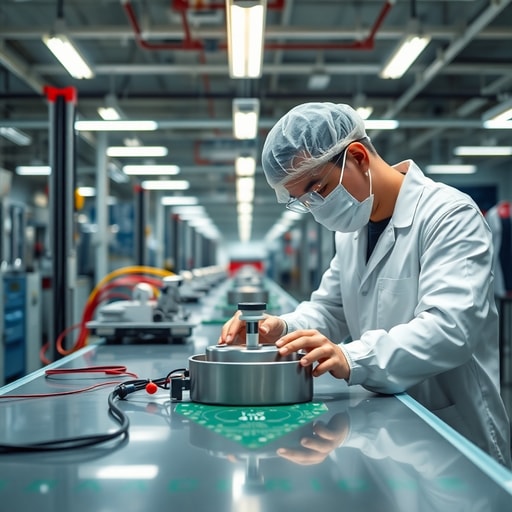
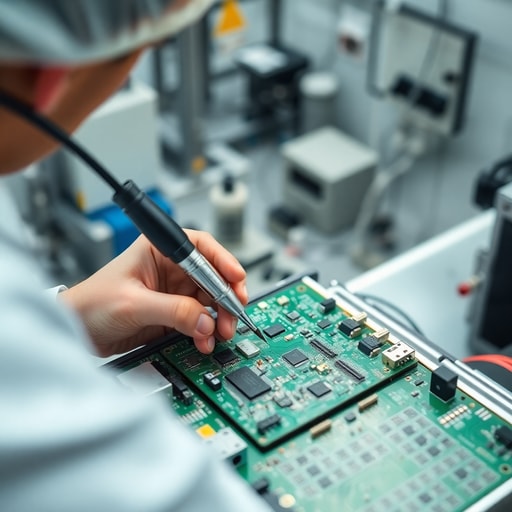
Walking through a production line, you realize that hardware is only half the battle. You see rows of workers snapping plastic housings together, but the real magic happens at the testing stations. A factory that doesn’t prioritize OTA is usually cutting corners on the PCB architecture. They are using cheaper, lower-capacity flash memory chips that cannot store the “update package” required to fix bugs or patch security vulnerabilities.
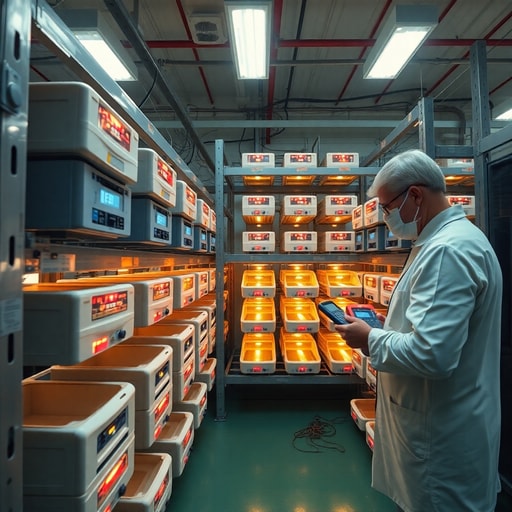
You need to look for the “aging racks.” These are the shelves where units sit for 48 hours, constantly dispensing and connecting to the network. If a supplier tries to rush you through this process, walk away. I have seen feeders that work fine in a quiet office but fail miserably when exposed to the fluctuating signal strength of a real home environment. OTA is your only insurance policy against these unpredictable field failures.
Why OTA is the Non-Negotiable Standard
The IoT market shifted in 2024. Widespread ESP32 adoption brought better WiFi stability, yet software conflicts remain a constant threat. OEM customers now demand Matter-compatible devices. Without OTA support, your product line is stagnant the moment it leaves the warehouse. You cannot adapt to new smart home standards, and you certainly cannot patch the inevitable security bugs that surface after a product launch.
Some suppliers will tell you that their “stable” firmware doesn’t need updates. This is a red flag. Software is never finished; it is only released. A supplier claiming their code is perfect is either inexperienced or ignoring the reality of modern cybersecurity. My contrarian take? Even a slightly buggy product with OTA is infinitely more valuable than a “perfect” product without it. You can fix bugs, but you cannot fix hardware that lacks the capability to learn.
The Hardware-Software Balancing Act
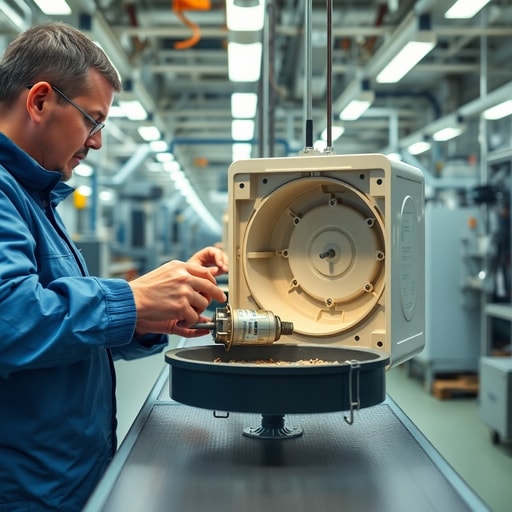
Mechanical reliability must match the digital capability. I have seen feeders with state-of-the-art OTA features that still fail because the impeller design is too brittle for large kibble. A smart feeder is a precision instrument, not a simple bucket. If the motor lacks torque sensing, it will burn out the moment a bit of kibble gets wedged in the chute.
| Feature | Standard Feeder | Premium Feeder | DDPark OEM |
|---|---|---|---|
| OTA Updates | No | Yes | Yes (Customizable) |
| Anti-Jam Detection | Basic | Mechanical | Advanced Infrared |
| App Integration | Proprietary | Tuya/Smart Life | Full Custom/Tuya |
| Build Quality | Standard Plastic | BPA-Free/Steel | High-Grade/BPA-Free |
My preference remains with suppliers who use infrared sensors to detect clogs before the motor strains. It is a subtle detail, but it prevents the “jammed feeder” customer support nightmare that kills brand loyalty. If you are building a private label brand, your reputation rests on the device working at 4:00 AM when you are asleep.
Sourcing Strategy for 2026
Do not try to build a “do-it-all” machine immediately. Focus on the core reliability metrics: a high-torque motor, food-grade materials, and a robust OTA-enabled PCB. I suggest starting with a solidly engineered smart feeder that has proven its worth in high-volume export markets. If the manufacturer cannot explain their OTA update architecture in detail, they are not ready for your business.
Always request a sample. Put it in your own kitchen. Connect it to your home WiFi and see if it drops the connection after a week. If the app feels sluggish or the device struggles with kibble size, do not waste your capital. A professional manufacturer expects you to be skeptical. They should welcome your scrutiny because they know their hardware can handle the pressure.
Frequently Asked Questions
Q: Why is OTA firmware capability critical for modern smart pet feeders?
A: OTA capability allows you to patch bugs, improve connectivity, and add features remotely. Without it, a software glitch becomes a permanent hardware defect, leading to returns and brand damage.
Q: Can a non-OTA feeder be upgraded later?
A: Generally, no. If the internal flash memory and bootloader weren’t designed for remote updates, you cannot retrofit them later. Choosing a non-OTA device locks you into the software state of the day it was manufactured.
Q: How does DDPark handle quality control for smart feeders?
A: DDPark adheres to a Zero-Defect manufacturing philosophy, utilizing rigorous aging tests, anti-jam infrared detection, and CE/ISO9001-certified processes to ensure every unit meets the highest standards before leaving our Guangdong facility.
Work with DDPark
Experience reliable manufacturing: CE FCC RoHS certified, stable Tuya connectivity, anti-jam infrared detection, aging test before shipment.
Ready to Start Your OEM Order?
Contact our B2B team today for pricing, MOQ, and custom branding options.