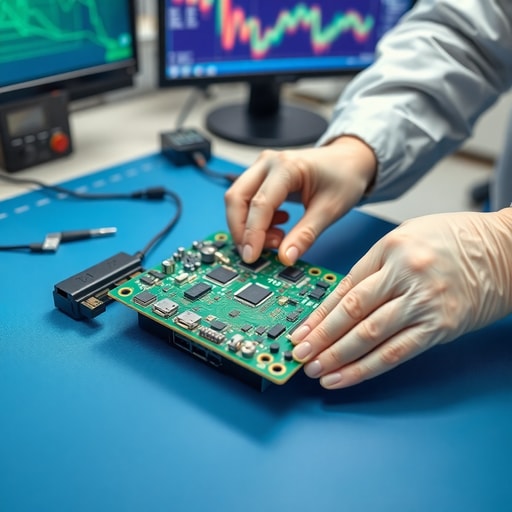
Are you prepared to pay for a prototype that ends up being nothing more than an expensive paperweight? The sample cost for WiFi pet feeder OEM projects typically lands between $150 and $500. This price tag covers more than just plastic and electronics; it accounts for firmware calibration, PCB customization, and the essential engineering hours required to ensure your feeder doesn’t fail during its first week in a customer’s home.
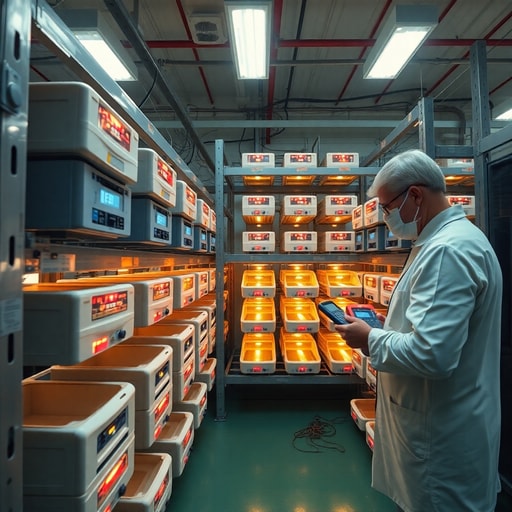
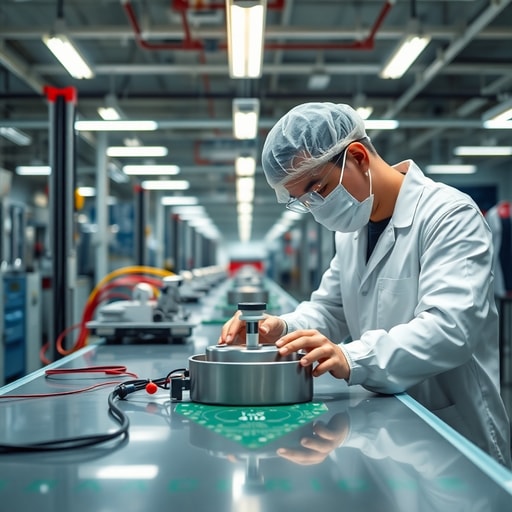
Walking the factory floor in Dongguan, the air is thick with the scent of molten ABS plastic and the rhythmic hiss of pneumatic presses. You can tell a serious operation by the silence of the QC station. If the floor is chaotic, your sample will be too. I once stood in a facility where the assembly line was moving at breakneck speed, but the testing station was empty. That is a red flag. A proper sample isn’t just “assembled”; it is verified against thermal stress, signal latency, and motor torque parameters before it ever leaves the loading dock.
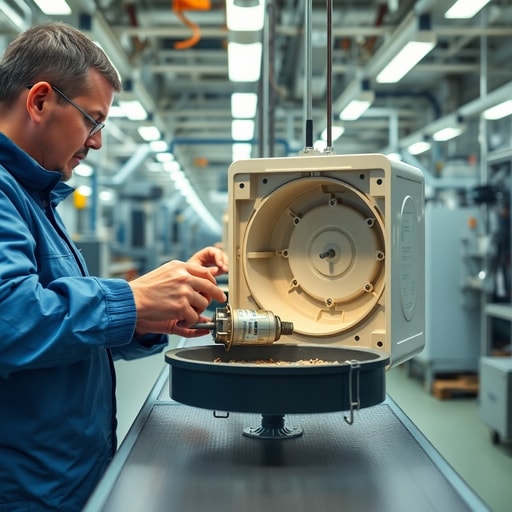
My skepticism of “too-good-to-be-true” pricing comes from a decade of seeing brands crumble over $0.50 components. Many factories will quote you a low sample cost but swap the high-grade copper windings in the motor for cheaper aluminum alternatives. You won’t notice this during a 10-minute demo, but your customers will notice when the unit burns out after a month of scheduled feeding. Paying the premium for a robust sample is the cheapest insurance policy you will ever buy.
Integration is where most projects bleed money. Using a dual-core ESP32 chip has become the industry standard for 2025, providing the necessary overhead for consistent WiFi handshakes. If your OEM partner is still pushing single-core solutions to save a few cents, they are setting your brand up for a flood of “device offline” support tickets. We have found that prioritizing connectivity stability over flashy, useless app features is the hallmark of a product that actually sells long-term.
Personal experience dictates that many brands fall into the trap of over-engineering the user interface. I firmly believe that if a pet owner needs a manual to figure out how to dispense food, the UX has failed. We advocate for the Tuya Smart Ecosystem not because it is the most innovative, but because it is the most stable. Reliability beats “bleeding edge” every single time when it comes to pet nutrition. If your app crashes, the pet goes hungry. That is a non-negotiable failure point.
Contrarian as it may sound, you should actually hope your sample fails. If you receive a prototype that works perfectly on day one, you haven’t stress-tested it enough. I want to see the limits of the infrared jam sensor. I want to know exactly how the unit behaves when the WiFi drops in the middle of a feeding cycle. A sample that survives a “torture test” in the lab is the only one worth putting your logo on.
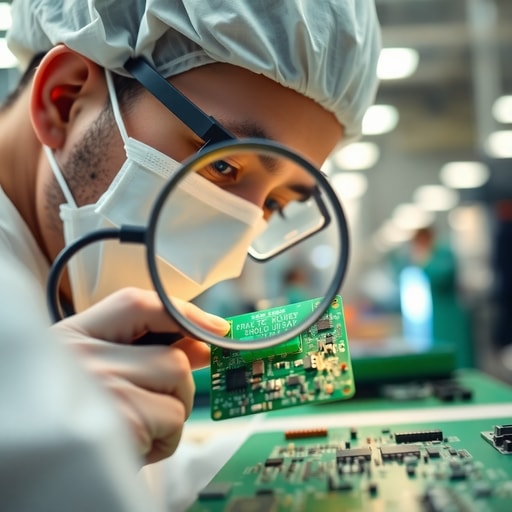
Quality management remains the biggest variable in the Pearl River Delta. Even with ISO certifications, human error on the assembly line is inevitable. We mitigate this at DDPark by integrating automated optical inspection (AOI) for every PCB. When you request a sample, you aren’t just paying for a physical object; you are paying for the documentation that proves your product meets CE and LFGB safety standards. Skipping this step is a fast track to being blocked by Amazon or pulled from shelves by regulators.
Efficiency in sourcing requires a clear roadmap. We handle everything from the initial plastic injection molding to the final firmware flash, ensuring your product is FBA-ready. Our facility supports over 100 dedicated staff members who treat every sample as a pilot for a million-unit run. Whether you are scaling a startup or managing an established global brand, the transition from prototype to mass production should be invisible to your customer. To begin your journey, you can request a free OEM quote from DDPark or explore our 10+ years of manufacturing expertise to see how we handle high-volume consistency.
Frequently Asked Questions
How long does it usually take to receive an OEM pet feeder sample?
Typically, a functional prototype takes 15–25 days depending on the level of APP customization and hardware modifications required for the WiFi PCB.
Does DDPark support small-batch initial orders?
Yes, DDPark offers flexible MOQ options to help startups and distributors minimize dead stock risk while testing market demand.
Work with DDPark
Benefit from anti-jam infrared detection, custom logo and packaging, factory direct OEM pricing, and stable Tuya connectivity to scale your brand globally.
Ready to Start Your OEM Order?
Contact our B2B team today for pricing, MOQ, and custom branding options.