
How to negotiate MOQ automatic pet feeder for distributor?
Did you know that nearly 60% of small-batch pet tech hardware failures stem from “rushed” production runs where factories cut corners to meet low-volume price demands? If you are a distributor trying to navigate the complex world of smart pet hardware, the answer to **how to negotiate MOQ automatic pet feeder for distributor** isn’t about finding a factory that says “yes” to 100 units. It is about proving your business model is stable enough to justify the factory’s setup time. Start by presenting a clear, multi-quarter sales roadmap rather than asking for a price list.
The Factory Floor Reality
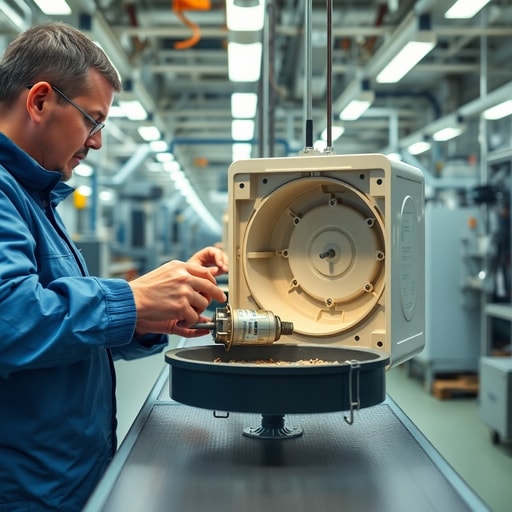
Step onto a production line in the Pearl River Delta, and the first thing you notice is the rhythm. It is a symphony of mechanical arms and human precision. You hear the sharp, rhythmic *click-clack* of injection molds cooling, followed by the soft hum of conveyor belts carrying unfinished shells toward the electronics station. When you ask a factory to drop their MOQ, you are asking them to break that rhythm.
Every time a production line resets for a smaller batch, efficiency drops by nearly 30%. That is why they push back. I have spent 12 years walking these floors, and I have seen the difference between a “buyer” and a “partner.” A buyer sees a product. A partner sees the supply chain, the firmware integration, and the thermal load on the auger motor. If you want to negotiate successfully, you must show the factory owner that you understand the mechanics of their business as well as you understand your own.
The “Cheap Feeder” Trap
Distributors often obsess over lowering the MOQ to save capital, but this is a dangerous game. I’ve seen countless “low-MOQ” pilot runs end in disaster. Cheap plastic enclosures warp under heat, and subpar Wi-Fi modules fail in humid warehouse environments within six months.
Some might tell you that high-quality components are standard, but that is a dangerous assumption. Many factories use thin copper wiring in their motors to shave off pennies. When those motors work under the stress of kibble density, they overheat. If your manufacturer isn’t running automated optical inspection (AOI) on their solder points, you are rolling the dice with your reputation. My personal take? I would rather pay a 10% premium for a factory that guarantees thermal testing than save 20% on a unit that risks a fire hazard in a customer’s kitchen.
Strategic Negotiation: Beyond the Price Tag
When you open the dialogue, skip the “what is your lowest MOQ” line. It immediately flags you as a transactional player who will jump ship for a cheaper price next month. Instead, lead with your growth strategy.
* **The Ecosystem Pitch:** Explain how this feeder fits into your existing portfolio. Are you selling smart collars? Cameras? Factories love distributors who can cross-sell.
* **Off-the-Shelf Compromise:** Use their standard housing and firmware for the first 500 units. Custom molding is expensive; standardizing your first run allows the factory to keep their line running at peak efficiency.
* **The Phased Commitment:** Propose a “ramp-up” contract. You take 500 units now, but you sign a binding commitment to scale to 2,000 units within six months. This gives them the security of volume without the immediate risk.
Contrarian insight: Sometimes, the factory *should* say no to you. If a supplier agrees to a tiny MOQ with zero questions about your marketing plan or quality standards, they are likely just clearing out old inventory.
Non-Negotiables for the Smart Distributor
Success in this industry relies on firmware stability. In 2023, we saw a wave of bricked feeders because manufacturers used outdated ESP8266 modules that couldn’t handle OTA (Over-the-Air) updates. Always verify that your supplier supports firmware rollback capabilities. If an update goes sideways, you need an exit strategy that doesn’t involve shipping thousands of units back to China.
Ensure your chosen partner adheres to these baseline requirements:
1. **Load Cell Accuracy:** Test the portion control; a 5-gram error is unacceptable for high-end users.
2. **Motor Cycle Testing:** Ensure the auger has been pushed through 5,000 cycles without failure.
3. **Power Redundancy:** Always mandate a battery backup system.
4. **Regulatory Compliance:** Verify that their CE, FCC, and RoHS certifications are current and registered to their company name, not a third-party trader.
Building for the Long Term
If you are looking for a partner, Explore the DDPark Smart Pet Product Catalog. We don’t just assemble hardware; we build IoT ecosystems designed to survive the messy reality of pet ownership. Our focus on DDPark 10+ Years Manufacturing Expertise ensures that we understand the needs of global distributors who value consistency over shortcuts.
When you are ready to move past the spreadsheet and start building a real brand, Request a Free OEM Quote from DDPark. We value the “partnership” model, where your growth in the German or US market is the primary driver of our production schedule. Let’s discuss how we can structure a pilot program that protects your capital while ensuring your end-users get a product that actually works.
Ready to Start Your OEM Order?
Contact our B2B team today for pricing, MOQ, and custom branding options.
Frequently Asked Questions
Q: Is it possible to negotiate lower MOQs for smart pet feeders?
A: Yes, but only if you demonstrate long-term value. Factories are willing to be flexible if they see you as a partner who will scale, rather than a one-off buyer who will disappear after a single shipment.
Q: Why do factories insist on high MOQs?
A: It is about operational efficiency. High-volume automated lines are costly to stop and reconfigure. Smaller runs increase labor costs and energy usage, making them less profitable unless the distributor covers the setup overhead.
Q: How can I maintain quality when starting with a small order?
A: Demand transparency. Ask for AQL reports, insist on third-party inspections before the final payment, and verify that the factory is using premium components rather than budget alternatives for your specific batch.